B2 Architecture: The advantages of modular building for education
Preferred Supplier Article: Written by an Education Australia Preferred Supplier about their own products and services. It is not written or endorsed by Education Australia.
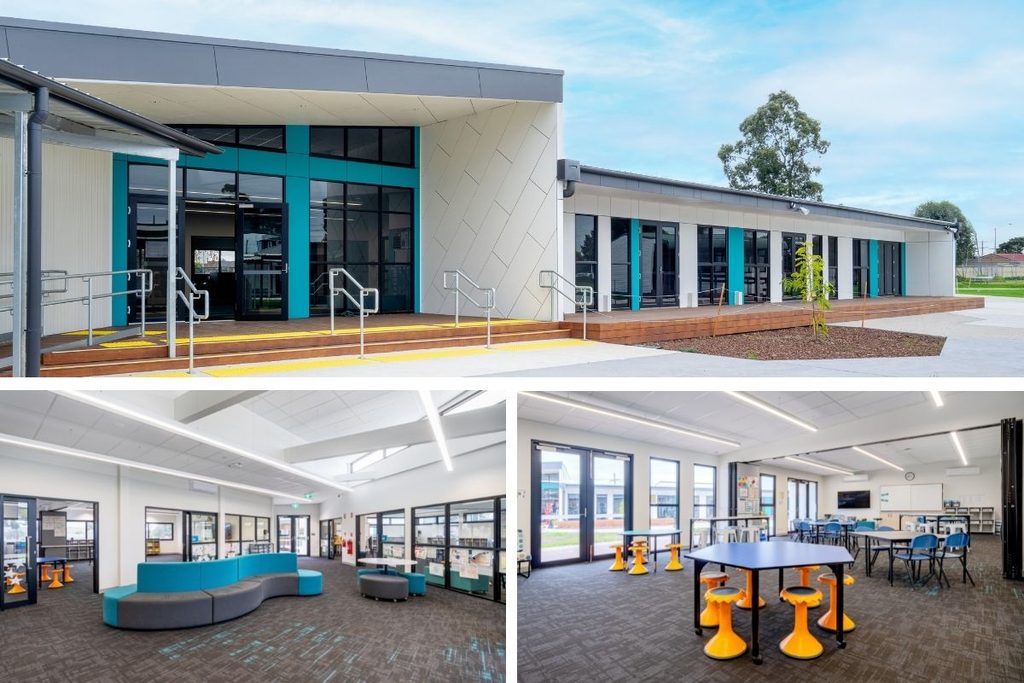
With modular design and construction evolving in leaps and bounds, schools and institutions across the country are investing in modular-designed and built buildings that feel anything but ‘modular.
When you think of modular buildings, pre-fabricated portable classrooms or granny flats probably come to mind. While ‘off the shelf’, mass-produced structures like these are one type of modular building, they’re no longer the only type.
These days, architecturally designed modular buildings feature the same level of considered and customised design as buildings constructed using traditional methods, but offer a host of additional advantages, including:
- Reduced time on site and construction timeframes
Because most of the building’s construction happens off-site in a factory, on-site construction time is significantly shorter than with traditional building methods, minimising disruption. - Long-term flexibility
The nature of modular construction makes it incredibly flexible. As the building is constructed using prefabricated modules, it can be deconstructed, adapted, added to, or relocated. - Improved quality control
With each module constructed off-site in a factory and then installed on-site, modular buildings are highly engineered, structurally sound, solid and permanent structures that perform incredibly well.
Considered architectural design makes all the difference
The most successful modular building projects are delivered by architects specialising in modular design and construction, like Education Australia’s preferred architecture and learning environment design supplier, B2 Architecture.
As a leading education architect and Accredited Learning Environment Planner, Director Brent Tullio explained:
‘Typically, production efficiencies drive the design of modular buildings. At B2, we flip this on its head – designing buildings to meet the needs, requirements and aspirations of the community first, and then engineering the construction details to suit.
For example, by embracing hybrid construction (combining modular and traditional methods), we can integrate modular extensions into existing structures and incorporate building features or elements that aren’t typical of modular buildings.
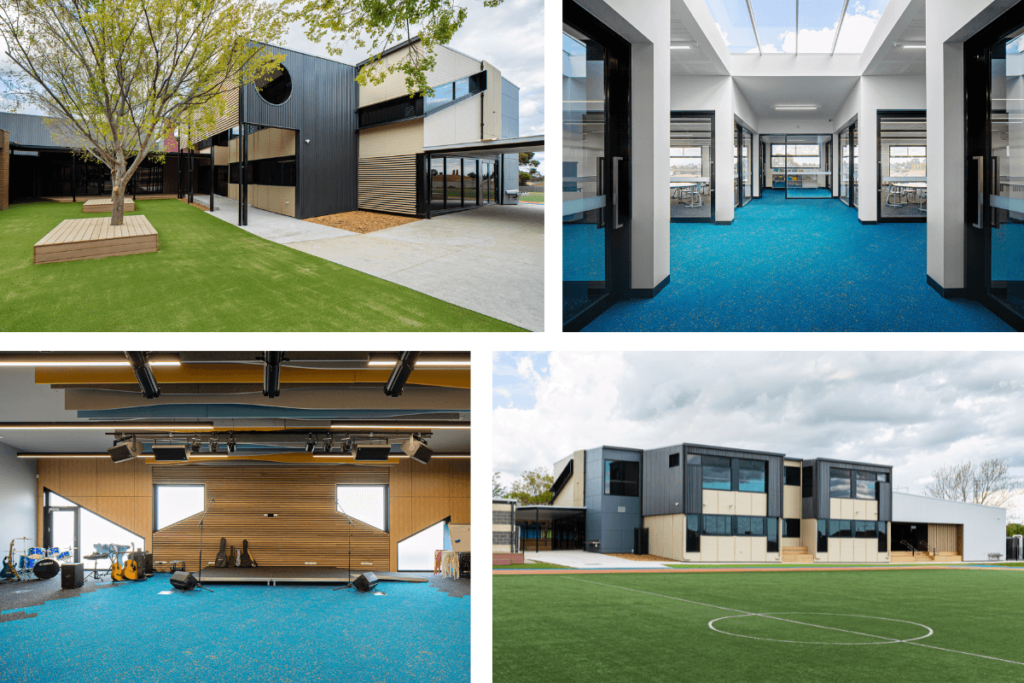
The result is always a truly customised and bespoke building that looks at home in its surroundings and is designed to meet the needs of the community it will serve.’
Our Lady’s Primary School
Our Lady’s Primary School’s learning centre was constructed onsite in a matter of days, using pre-fabricated ‘mods’ that were constructed in a factory and then transported to site for installation. See more.
A prime example of the flexible but permanent nature of modular buildings. See more.
Want to know more about modular design and construction?As an Education Australian Preferred Supplier, B2 is here to support and guide you in applying for grants and funding and creating spaces, places and environments that help students, staff and communities thrive.
Successfully delivering 500+ projects, ranging in value from $100,000 to $40 million, over the last three decades, B2’s expertise and experience span all facets of education architecture – from Master Planning, to new building projects, refurbishments, design and development of new campuses and everything in between.
Brent Tullio, Director: +61394294255, [email protected]
Visit: B2architecture.com.au
View: Portfolio and Capabilities Statement
Connect: Instagram | Facebook | LinkedIn