
Global Forwarding: Global shipping update
Preferred Supplier Article: Written by an Education Australia Preferred Supplier about their own products and services. It is not written or endorsed by Education Australia.
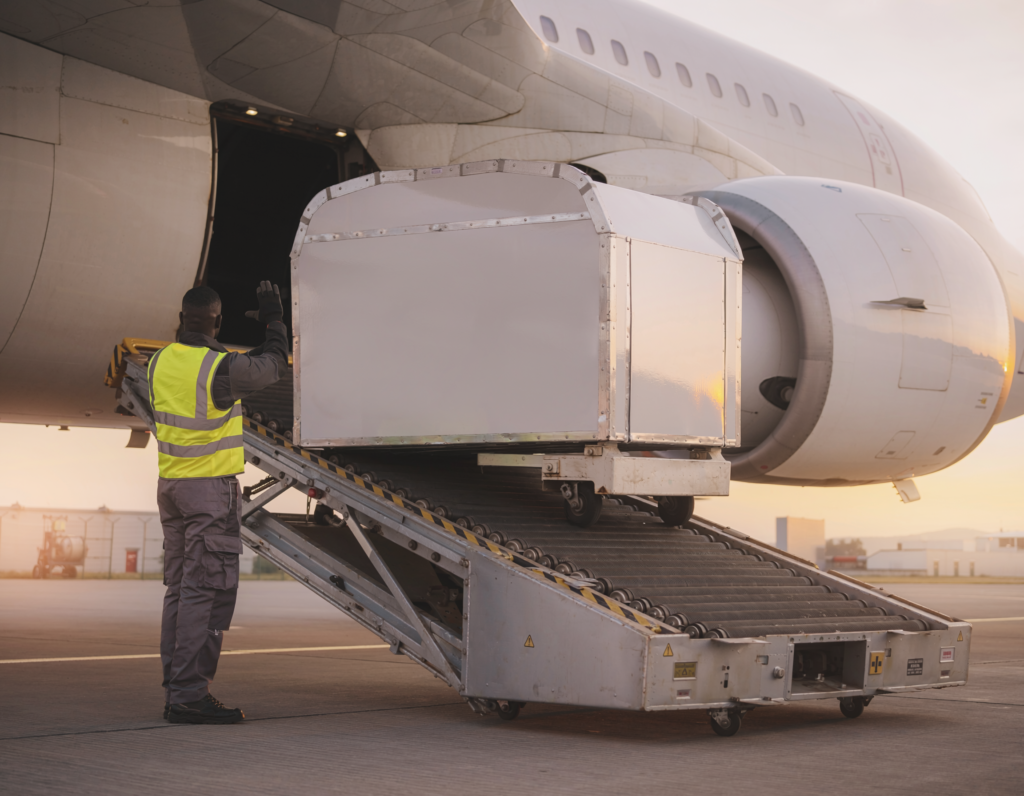
Global shipping remains unsettled, but the market is more manageable than the extreme disruption seen during the height of the Red Sea crisis. For Education Australia members moving school, university, laboratory, exhibition, or relocation cargo, the key message is: freight is moving, but planning windows need to stay generous.
Ocean freight rates have softened slightly in recent weeks although rates remain sensitive to disruption on major east-west trade lanes.
Schedule reliability continues to be the bigger issue than price. Sea-Intelligence reported weaker reliability through July/August, with performance varying sharply between carrier alliances. Some networks are performing reasonably well, while others remain inconsistent, meaning the “cheapest” option is not always the safest choice for time-sensitive education cargo.
For institutions importing teaching equipment, IT hardware, uniforms, printed material, furniture, science equipment, or exhibition goods, we recommend allowing additional buffer time, particularly where goods are required for a fixed semester start, open day, conference, installation, or student accommodation deadline. Where timing is critical, carrier selection and routing should be reviewed carefully before booking.
Air freight remains a useful option for urgent consignments, but pricing is still firm. IATA reported global air cargo demand growth in 2026, with capacity growth not keeping pace in some markets, contributing to higher load factors and elevated yields. Air freight is best reserved for urgent documents, replacement parts, event material, samples, medical or lab items, and smaller high-value consignments.
We need to also warn our community the MUA begin their chapter of disruption around this time of year. Stop work, go slow and industrial unrest become apparent in all major ports so please factor delays in container availability.

For education-sector shippers, the practical advice is:
- Book early where goods are linked to semester, enrolment, fit-out, or event dates.
- Avoid leaving customs documents until cargo is already on the water.
- Check whether permits, quarantine treatment, product descriptions, or tariff classifications are required before shipment.
- Consider split shipments where only part of the cargo is urgent.
- Keep suppliers accountable for packing, labelling, and export paperwork.
Global Forwarding continues to monitor ocean and air freight conditions closely and can assist Education Australia members with customs clearance, freight planning, time-critical shipments, and education-sector logistics into Australia. Not sure? Give us a call, we may not be the right providers and we will always point you in the right direction.
1300 558 664
[email protected]
globalforwarding.com.au