Queensland Child Protection Week: Protecting children starts with education: 40 years of Child Protection Week
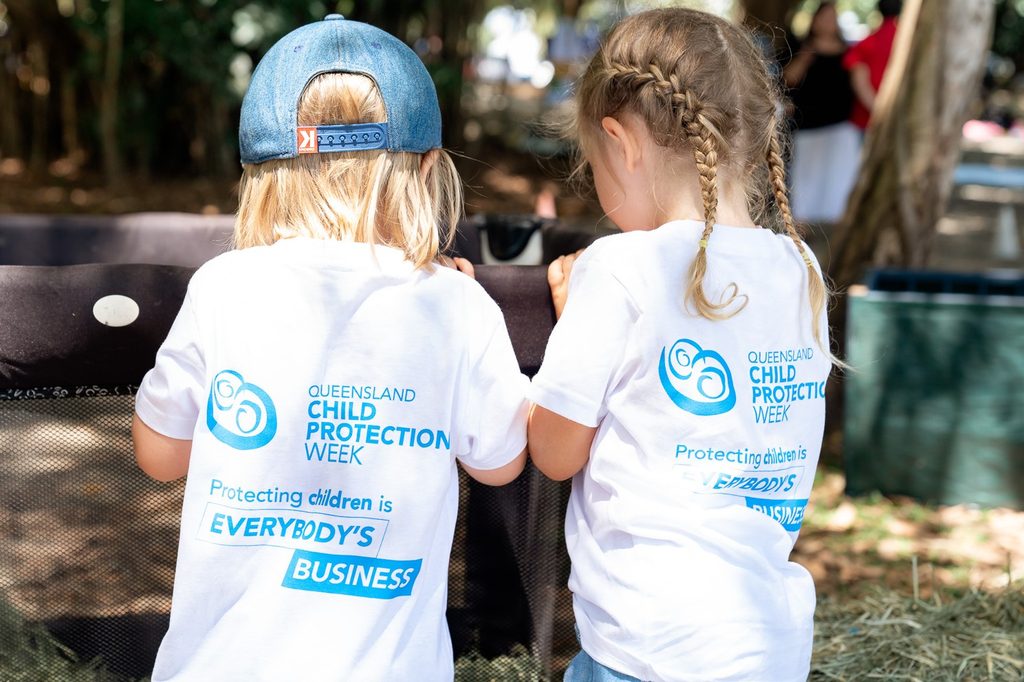
Protecting children is everybody’s business. It’s a phrase we hear so often today that it’s easy to forget how recently it became part of the national conversation.
Forty years ago, it wasn’t discussed in homes or classrooms, and it certainly wasn’t reported in the media.
Today, the idea that child protection is a shared responsibility is widely recognised across Australia, reflected in schools, community organisations, government campaigns and everyday family conversations. Forty years ago, conversations about abuse, neglect, domestic violence and children’s safety were largely confined behind closed doors, with schools poorly resourced, support services less visible, and the media rarely reporting on them.
Much of that shift can be traced back to the advocacy, awareness and education generated through Child Protection Week. Communities across the country have become more informed, more engaged and more willing to have difficult but necessary conversations about keeping children safe.
What began in Queensland as a local initiative to raise awareness about child abuse and neglect has grown into a nationwide movement led by the National Association for Prevention of Child Abuse and Neglect (NAPCAN), encouraging schools, families, sporting clubs, businesses, community groups and governments to work together to create safer environments where children and young people can thrive. At the heart of that movement has always been education.
Schools as safe places
Schools play a unique and critical role in the lives of children and young people. They are more than places of academic learning – they are environments where trusted relationships are formed, confidence is built and life skills are developed.
For many children, school provides stability, routine and connection, and is often where they first learn about respectful relationships, personal boundaries, emotional wellbeing and help-seeking behaviours. Schools are also frequently where concerns about a child’s welfare are first recognised. Long before terms such as “child-safe cultures”, “student wellbeing” and “trauma-informed practice” became embedded in education systems, Child Protection Week recognised the importance of engaging entire communities in the protection of children. That message remains just as relevant today.
Across Australia, educators are helping students understand personal safety, consent, respectful relationships, online safety and emotional resilience, and are increasingly partnering with families, health professionals and community organisations to ensure children have access to the support networks they need. These conversations are not always easy. Topics such as abuse, domestic violence, coercive control and neglect can be challenging for adults to discuss, let alone explain to young people.
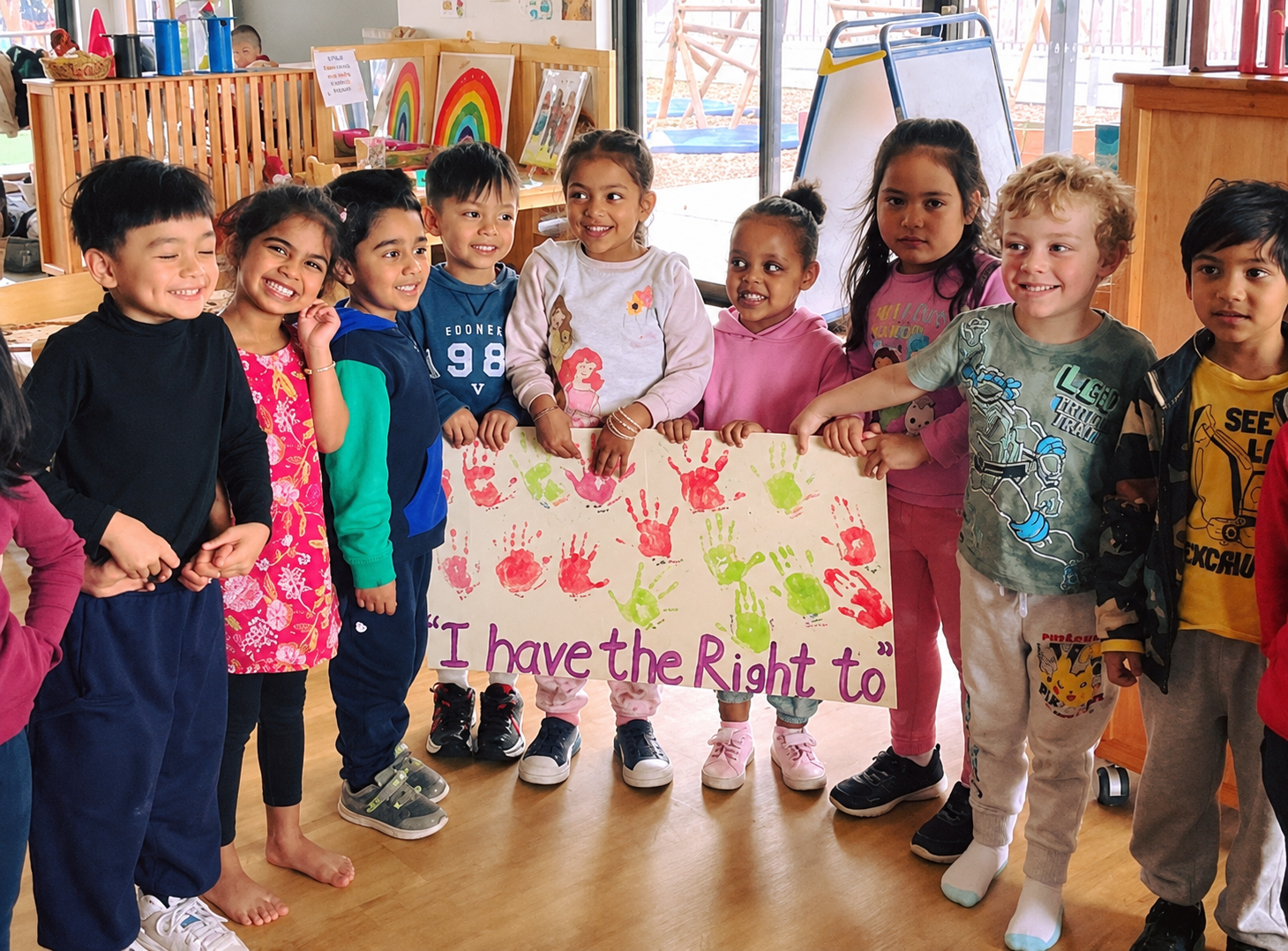
But avoiding these conversations does not protect children, education does. When children understand what healthy relationships look like, know their rights and can identify trusted adults they can turn to, they are better equipped to seek support when they need it.
Research consistently shows that children flourish when they feel safe, connected and supported by the adults around them, a sense of belonging is fundamental to healthy development, and children need to know there are adults who will listen without judgement.
Teachers, wellbeing officers, school counsellors, coaches and school leaders often become trusted members of a child’s support network. Their ability to recognise signs of distress, build positive relationships and foster a culture of safety can have a profound impact on a young person’s life.
Sometimes it is a teacher who notices a child becoming withdrawn, a coach who sees a change in behaviour, or a counsellor who provides a safe space for a child to share something they have never told anyone before.
These moments matter. They are a reminder that child protection is not solely about responding to harm once it has occurred, it is about prevention, connection, and creating environments where children feel safe enough to speak up before problems escalate.
A voice from lived experience
One person helping schools facilitate these important conversations is Ruby Allen, the 19-year-old founder of Kids of Purple.
Drawing on her own lived experience of domestic and family violence, Ruby speaks with students across Australia about resilience, personal safety and the importance of seeking support, understanding firsthand the fear, uncertainty and isolation such experiences can bring.
Rather than allowing those experiences to define her future, Ruby has turned them into a platform for advocacy and education, using her story to help other children understand that they are not alone.
“Children often think they’re the only ones going through it,” Ruby says. “When I share my story, they realise they’re not alone and that there are trusted adults who want to help.”
Through Kids of Purple, Ruby delivers age-appropriate presentations in schools and community settings, creating safe opportunities for students to engage in conversations about personal safety, emotional wellbeing and support services.

Her presentations are built around empowerment, not fear, helping children identify trusted adults, understand available support services and recognise that asking for help is a sign of strength.
“Education is one of the most powerful tools we have,” Ruby says. “If a child knows what support looks like and who they can talk to, it can change the course of their life.”
For educators, Ruby’s message reinforces the critical role schools play in child protection. While teachers cannot solve every challenge a child faces, they can create environments where children feel safe enough to ask questions and seek help, modelling respectful relationships and building trust.
A shared responsibility
Equally important is the role of families and communities. Children are safest when the adults in their lives work together, parents, carers, grandparents, neighbours, coaches, youth workers, healthcare professionals and community leaders all contribute to the protective networks that help children thrive, reflecting the very principles on which Child Protection Week was founded: Awareness, education, prevention and community connection.
The challenges facing children today may look different from those of 40 years ago, young people now navigate digital environments, social media pressures and online risks that previous generations never experienced. Yet the underlying solution remains consistent: Children need caring adults, safe relationships, and communities willing to listen, learn and act.
Child Protection Week serves as a reminder that protecting children is not the responsibility of one profession or organisation alone, it is a shared responsibility. Forty years after the conversation began in Queensland, that message has spread across the nation through NAPCAN and countless community partners, yet its core purpose remains unchanged: When schools, families and communities work together, children are safer, stronger and better supported to reach their full potential.
Marking 40 years
This year marks the 40th anniversary of Queensland Child Protection Week, an occasion to reflect on how far Australia has come, and to recognise those who continue to champion the safety and wellbeing of children.
As part of this year’s commemorations, a DIY art project invites children to design and decorate a colourful paper or cardboard crown, writing on it the names of trusted people in their lives amongst their custom decorations. The activity encourages conversations about safety, belonging and trusted relationships in a considered and creative way. Resources are available through the Queensland Child Protection Week website.
Forty years on, the invitation to be part of the conversation around child safety remains the same: Protecting children is everybody’s business.
childprotectionweek.org.au