Australian Indigenous Education Foundation: The growing demand for Indigenous boarding education
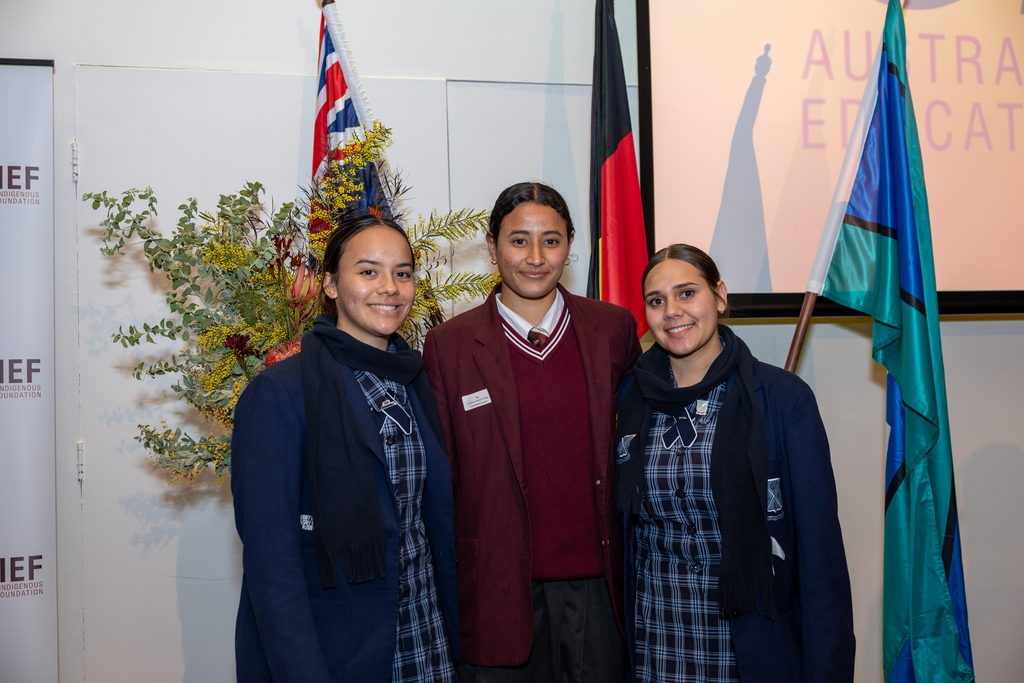
Across Australia, more Indigenous families are seeking access to high-quality secondary education.
Families, especially those from remote regions, are looking for schools that offer both opportunity and an environment where their daughters and sons can thrive while maintaining strong connections to family, culture and community.
For schools, this presents both an opportunity and a responsibility. The focus is not simply on increasing enrolments but on creating environments where Indigenous students feel a genuine sense of belonging and are equipped to achieve positive long-term outcomes.
Meeting this demand requires collaboration across the education sector. Schools, families, communities and scholarship providers all play an important role in creating pathways that make quality education more accessible for Indigenous young people.
As more families seek access to boarding education, schools are continuing to consider how they can create environments that support students both academically and personally. This includes recognising the importance of cultural identity, fostering strong relationships with families and communities, and ensuring students have access to wellbeing services that support successful transitions into boarding life.
Scholarship organisations, including the Australian Indigenous Education Foundation (AIEF), have reported growing demand for Indigenous boarding opportunities over the past decade, reflecting increased interest from families and expanding participation by schools.
AIEF’s data shows the number of students supported through its scholarships has grown from a single student to more than 1,500 young Indigenous people from across Australia.
Deepening a school’s social impact
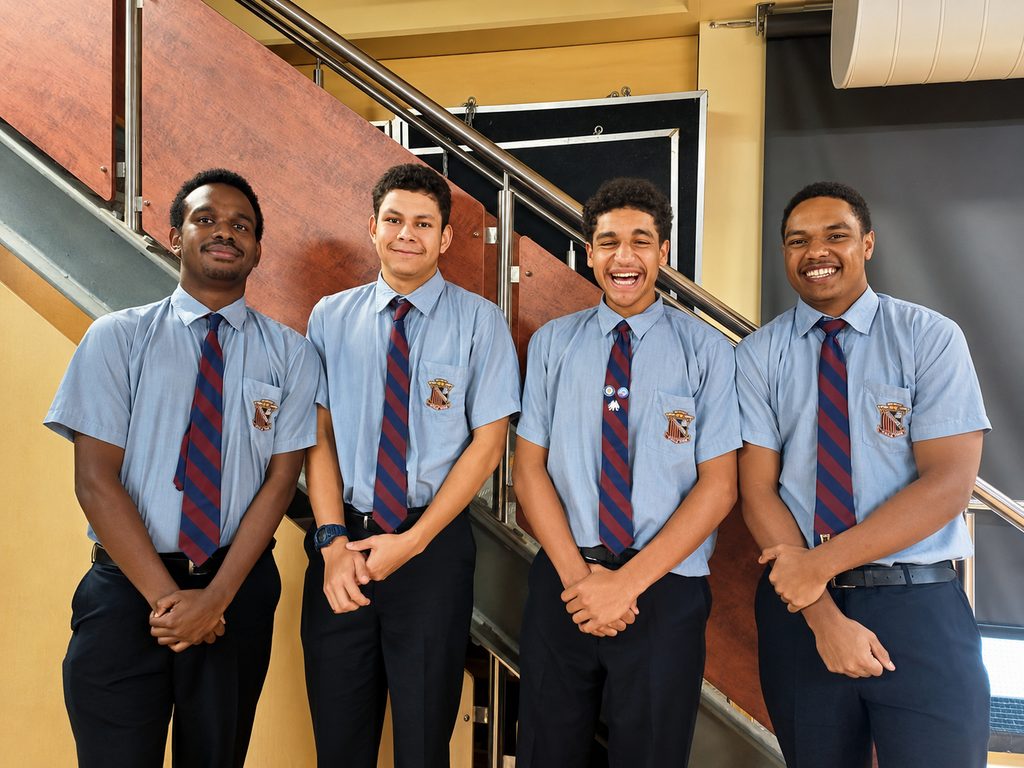
For principals leading Indigenous boarding programs, this growing demand for enrolments presents an opportunity to deepen both educational access and social impact. Across Australia, many schools are strengthening Indigenous education initiatives by investing in student wellbeing, family engagement and culturally responsive support that helps students settle, belong and succeed.
Partnerships with scholarship organisations such as AIEF can complement these efforts by helping schools to provide places for students facing financial barriers.
AIEF found that more than 90 per cent of students supported through its scholarships, whether at boarding school or university, go on to graduate. This suggests that academic support, pastoral care and family connection help students stay the course.
An important part of this social impact conversation is ensuring that opportunities are equally accessible to girls. Many schools are continuing to expand programs that place strong emphasis on student wellbeing, mentoring, family connection and the day-to-day support that help young women thrive throughout their education.
The number of Indigenous girls accessing scholarship opportunities has continued to grow in recent years. Data from AIEF shows that the number of female students supported through its scholarship program increased by 17 per cent in 2025 compared with the previous year, and by 59 per cent since 2021. The figures reflect a broader commitment across the independent school sector to expanding educational opportunities for young Indigenous women.
Supporting the transition beyond school
Whilst graduating from secondary school is a critical milestone for closing the gap, so is supporting graduates to successfully transition to further education and long-term employment.
Ideally, scholarship programs are complemented with post-study support, such as career advice, opportunities to learn from or be mentored by experienced professionals and networking opportunities.
Students gain practical knowledge, skill development and exposure to possibilities they may not otherwise encounter.
AIEF’s data reports that 90 per cent of graduates have progressed to employment, further education or other meaningful opportunities, highlighting the role that sustained support plays in helping students transition beyond school.
Leana’s story
Leana’s journey highlights the transformative impact of access to quality education. A proud Kamilaroi woman, Leana began as a Year 7 boarder at Loreto Normanhurst on an AIEF Scholarship. Moving nearly 800 kilometres from Bourke to Sydney was a significant transition, but through the support available to her from AIEF and her school, she quickly found her footing.
“As a young Aboriginal girl from the bush, attending boarding school opened up opportunities that simply weren’t available at home,” she says. At Loreto, Leana embraced school life, taking on leadership roles and exploring new opportunities. With access to quality education and career support, university became an achievable goal. “Having access to a quality education laid the foundation for further educational pursuits, allowing me to consider and pursue university as an option,” she says.
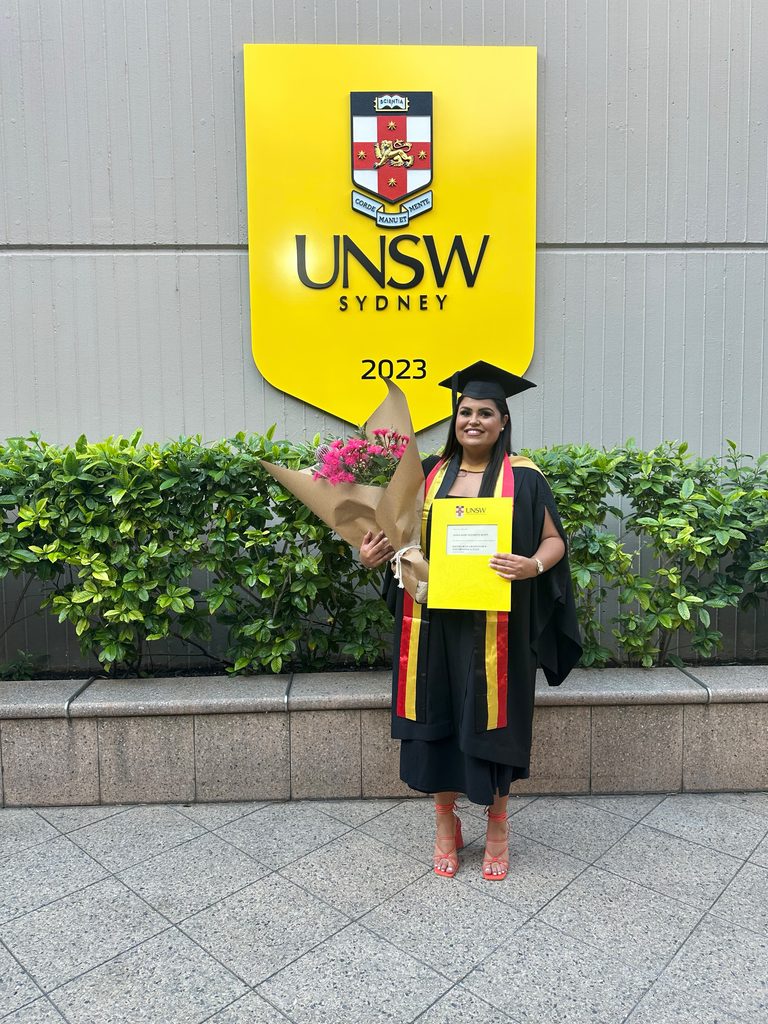
After completing Year 12 in 2018, Leana studied a Bachelor of Criminology and Criminal Justice, gaining experience across government departments, universities and schools. It was through this work, including, supporting Indigenous youth in educational settings that her interest in law took shape. “As a kid who never saw themselves at uni, being able to show Indigenous youth they belong in those spaces was a rewarding experience,” she says.
In 2024, Leana relocated to Melbourne to undertake a Juris Doctor. She has since gained experience across a range of legal settings, from pro bono work to internships with leading firms. Leana is the eldest of four sisters, all of whom have graduated from Loreto on AIEF Scholarships. Four young women from the same family, from the same community in remote north-west NSW, who have each walked the same path. This story reflects more than numbers alone; it shows how one family’s decision can shift what others see as possible.
Today, Leana is focused on completing her degree and building a career that creates meaningful impact. “I want my work to be meaningful and connected to improving outcomes for others,” she says.
A shared responsibility
Expanding access to quality education for Indigenous young people is a shared responsibility. It depends on strong partnerships between schools, families, communities, scholarship providers and the broader education sector, working together to ensure students have both access to opportunity and the support needed to thrive both during and after their studies.
As demand for Indigenous boarding education continues to grow, collaboration remains central to creating equitable educational outcomes and empowering more Indigenous young people to realise their aspirations.
Continuing to share knowledge, strengthen partnerships and invest in student support will remain important as schools respond to changing community needs. While every student’s journey is different, creating environments where young people feel supported, connected and valued remains central to achieving lasting educational outcomes.
For more information about AIEF’s programs, research and resources, visit aief.com.au.
02 8373 8000
[email protected]
aief.com.au