Inclusive Spaces Co: Designed to fail: Why Australian classrooms are leaving students behind
Over 800,000 students with a disability are sitting in classrooms designed a century ago.

Many more are sitting quietly with sensory, physical, or attention needs that never receive a formal diagnosis. Every day, these students work twice as hard just to get through a day in a space that wasn’t built for them.
11,700 hours. That’s roughly how long a student spends in a classroom from kindergarten to Year 12. And most of those classrooms haven’t meaningfully changed in over 100 years.
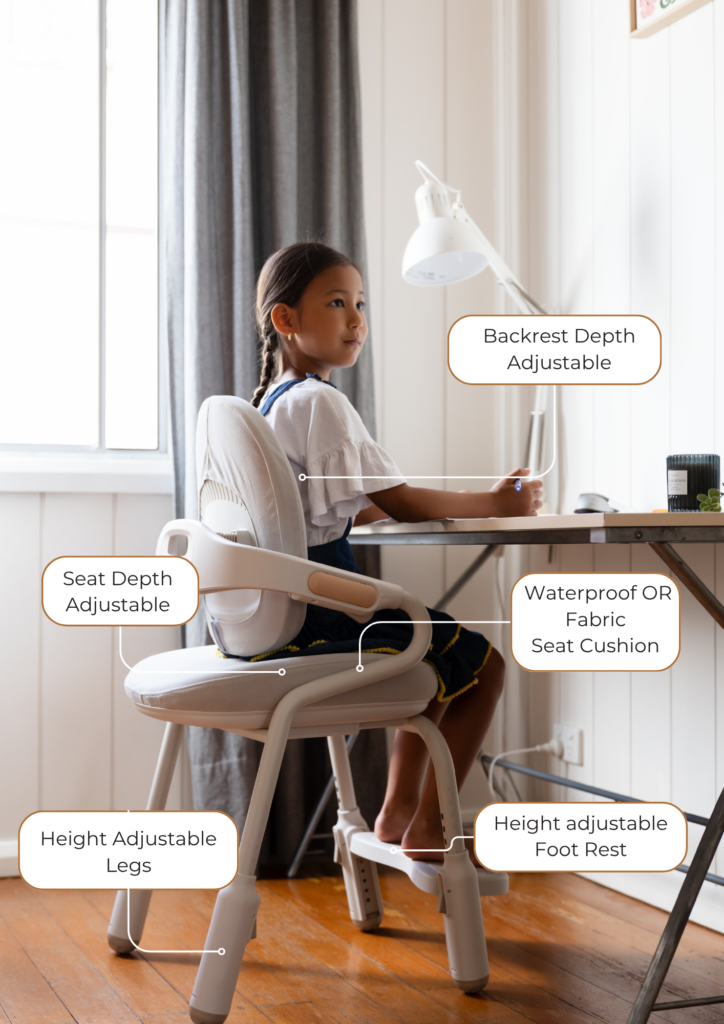
For a student who processes the world differently, walking through the classroom door can be the hardest step they take. The flicker of the fluorescent light they can’t ignore. The seat that doesn’t fit their body.
And then they dysregulate. The screaming, the refusal, the walking out, the wandering. To an untrained eye it looks like bad behaviour. But this is a child who has simply run out of room to cope in a space that does not understand their needs.
Teachers feel it too. Every minute a teacher spends managing a dysregulating child is a minute stolen from every other student in the room. Teachers who came into the profession to teach are now spending days firefighting behaviours.
The problem is the room itself. Under the Disability Standards for Education and the Disability Discrimination Act, Australian schools have a legal obligation to support all students with and without disability. That obligation extends to the physical environment they learn in every day.
Why choose Inclusive Spaces Co?
We created Inclusive Spaces so teachers and school leaders have access to tools, resources and the expertise they need to create classrooms where every student can learn. Every recommendation or resource we share is grounded in peer-reviewed research and years of clinical experience inside real classrooms, not interior design trends that may or may not translate to the children sitting in them.
We bring a clinical lens to Universal Design
Universal Design (UD) removes physical and structural barriers from the environment itself.
Universal Design for Learning (UDL) ensures instruction is delivered in multiple formats so every student can access it. We apply these principles, informed by our therapy background, to identify the opportunities that will make a real difference for every student in your classroom.
Fun fact! Strategies that work for the most vulnerable students in a room will work for every student in the room.


The Inclusive Spaces approach
Inclusive Spaces gives you access to everything you need to start building a classroom that works for every student. You can explore practical classroom resources grounded in paediatric research, movement strategies you can introduce tomorrow, and furniture ideas selected by clinicians who understand how children’s bodies work in a classroom.
And if you want to go further, our clinicians are here for that too. Whether you need clinical support, or your school simply doesn’t have allied health access, that conversation is there for you.
Teachers and school leaders who come through the platform leave with more confidence, a clearer plan, and a classroom that is designed to work for every student.
Because you already are the expert in teaching. You just deserve a space that makes your job easier, not harder.
A classroom that now works for every student
If you’ve read this far, you already understand the problem. You’ve seen how classrooms can cost your students, your teachers, and your school every single day. The question now isn’t whether change is needed. It’s whether you’re ready to make it.