
Hearing Loop Australia: Inclusive hearing for students
Classroom noise comes from many sources including talking students, scraping chairs, hallway chatter, traffic, open-plan designs, and even heating or cooling systems. While some sound is natural in a busy learning environment, persistent or excessive noise becomes a significant barrier to effective teaching. Under the Better Fairer Schools Agreement (BFSA), ensuring equitable access to education includes ensuring every child can hear clearly, regardless of classroom conditions. Younger children, students learning English, and those with hearing or attention difficulties are especially vulnerable. Even high performing students struggle when they must concentrate harder simply to hear instructions.
How students are affected
• Reduced comprehension and concentration: When students cannot hear clearly, they miss instructions and key concepts. Straining to listen causes mental fatigue, reducing their ability to concentrate for extended periods.
• Lower academic performance: Misheard information leads to incomplete or inaccurate work. Over time, this deepens achievement gaps, especially in subjects where concepts build on one another.
• Lack of engagement: Students often disengage when following lessons becomes difficult. Participation declines, and many avoid asking questions because understanding what is said requires too much effort.
• Emotional and behavioural issues: Confusion or embarrassment from not keeping up can lead to frustration, anxiety, or disruptive behaviour. These reactions are often misinterpreted as discipline problems rather than communication-related difficulties.
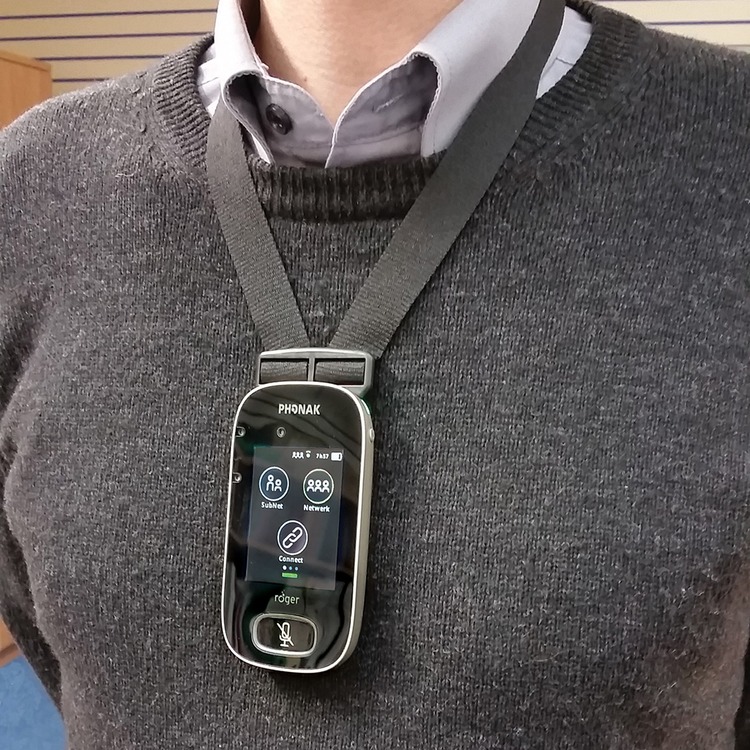
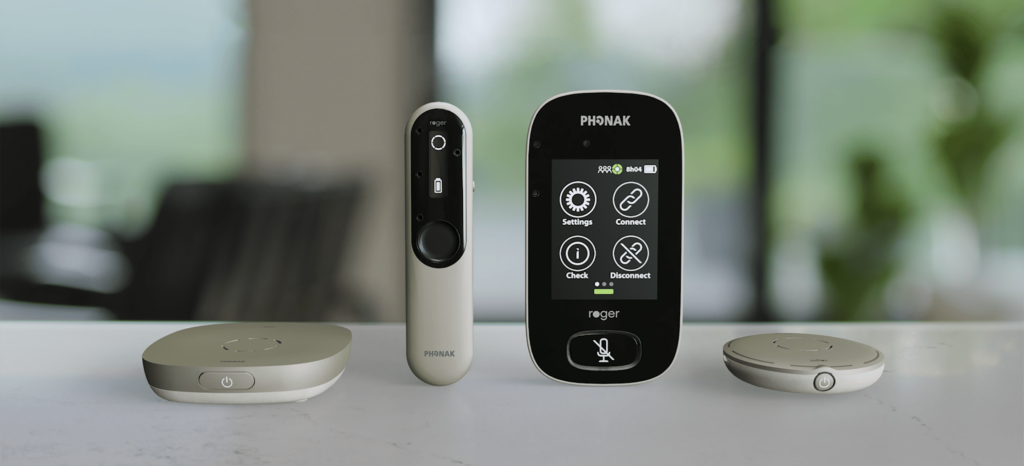
• Impaired language and literacy development: Young learners and English language learners depend on clear speech to develop vocabulary, grammar, and pronunciation. Noise reduces essential auditory input, slowing language and literacy growth. Modern microphone systems can also connect directly to hearing aids and cochlear implants, giving children with hearing loss clearer, more accessible speech signals.
How teachers are affected
• Vocal strain and fatigue: Teachers frequently raise their voices or repeat instructions, leading to vocal fatigue and sometimes long-term voice issues.
• Increased stress: Teaching in a noisy environment is draining and demoralising. Teachers may feel unheard and ineffective, contributing to stress and reduced job satisfaction.
• Reduced teaching effectiveness: When communication breaks down, teachers often simplify lessons or avoid activities requiring detailed oral instructions, limiting students’ learning experiences.
• Classroom management challenges: Noise often creates a cycle where students can’t hear and they disengage. They then talk more and noise increases. This makes maintaining control of the classroom
increasingly difficult.
• Burnout and job dissatisfaction: Chronic exposure to noisy learning conditions contributes to burnout. Many teachers feel unsupported, adding strain to an already challenged workforce.
Real-world success: Soundfield Systems
Schools in Victoria, Queensland, and the Torres Strait have improved communication by installing Dynamic Soundfield systems. These systems distribute the teacher’s voice evenly throughout the room, enabling every student to hear clearly. Reported benefits include better attentiveness, stronger comprehension, reduced teacher vocal strain, and more inclusive learning environments particularly for younger children, english learners, and students with hearing challenges.
Possible solutions
• Acoustic treatments such as carpets, wall panels, and ceiling tiles
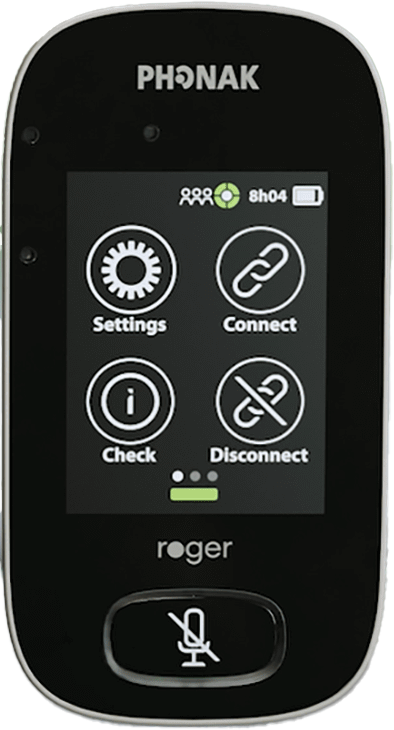
• Soundfield amplification for even voice distribution
• Clear behavioural expectations around classroom noise
• Strategic seating for students who need additional support
• Visual aids such as written instructions and diagrams
• Professional development on voice care and noise-management strategies
Better hearing means better learning
Noise in classrooms is a barrier to learning and teaching. Through the Better Fairer Schools Agreement, improving classroom acoustics and communication systems can ensure inclusive hearing for all students, enabling stronger learning outcomes and healthier, more sustainable teaching environments.
1300 669 721
[email protected]
hearingloop.com.au