
Australian Primary Principals Association: How primary schools add value to Australia’s future
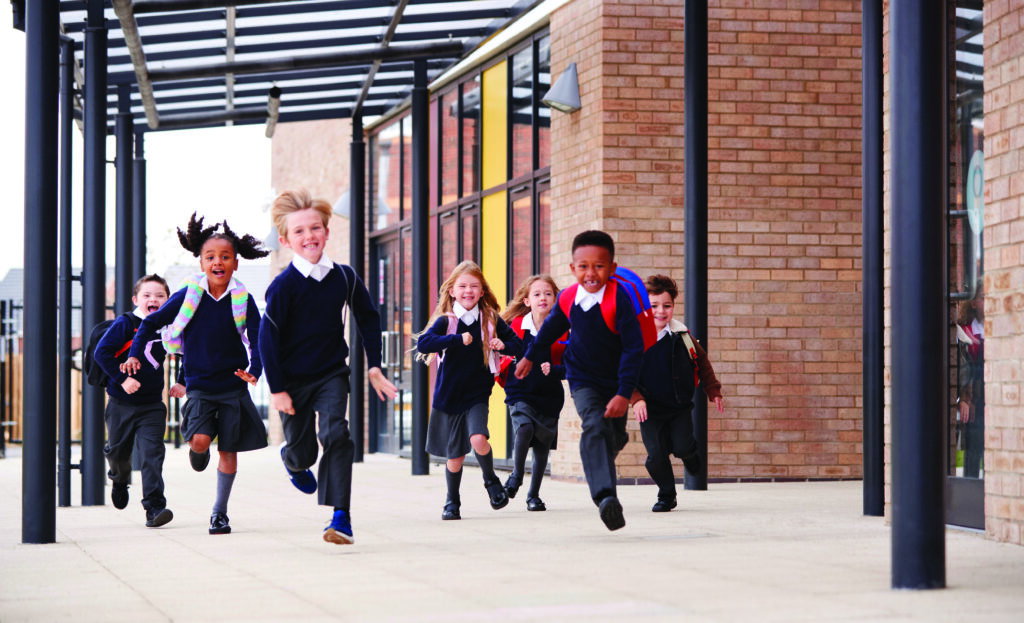
The true measure of a school is not found in its data alone, but in the lives it quietly strengthens, the communities it binds, and the hope it cultivates each day.
Across Australia, and in almost every community, you will find a primary school opening their gates each morning to welcome children, families, and communities. These are not just sites of teaching and learning, they are neighbourhood anchors, networks of care, and places where children first experience belonging, purpose, and possibility.
As President of the Australian Primary Principals Association (APPA), I am privileged to witness how deeply primary schools shape the social fabric of this country. Their contribution is immense, yet much of it goes unnoticed because it happens quietly, through relationships, empathy, and trust built over time.
In an era where public debate often centres on performance metrics, funding formulas, or policy reform, it is worth pausing to celebrate the everyday work of primary education: The value it adds not only to academic learning, but to community wellbeing and to the very experience of childhood.
The value of education today
At APPA, we advocate strongly for school leaders to be empowered to lead teaching and learning. But we also champion an idea that deserves equal attention, that education is not simply preparation for the future, it is of value in and of itself.
Every moment of learning, discovery, connection, and joy is part of a rich and meaningful life now. Primary education is where children learn to read the world as much as they learn to read words; where they encounter curiosity, effort, and the grace of learning along-side others.
This joy in learning should be celebrated as a social good. It helps children build not just skills for tomorrow, but confidence and optimism for today. When schools nurture curiosity, creativity, and kindness, they are already fulfilling their purpose, not as a waiting room for adulthood, but as a vital chapter in a full human life.
The unseen work that builds communities
Primary schools do so much more than deliver curriculum. They sustain communities. They are often the first place families turn to in times of uncertainty, and the first to rally support when hardship strikes.
Principals and staff connect families to services, celebrate culture, and create inclusive spaces where diversity is valued. Through this relational work, they strengthen the social capital that holds communities together.
Primary school staff often see children’s potential before they can see it themselves. They create structures of care where every child can thrive, not through comparison, but through contribution.
APPA’s position papers, available at appa.asn.au, highlight how these daily acts of connection add immeasurable value. They remind us that when we talk about “thriving children” we are really talking about thriving schools, where wellbeing, belonging, and learning are interwoven, and where leadership is the quiet architecture behind it all.
Leading learning in contemporary times
Today’s school leaders navigate complex policy settings, manage increasing administrative demands, and respond to societal challenges that reach far beyond the classroom. APPA continues to call for conditions that allow leaders to focus on what matters most: Leading learning and building cultures of care. This means reducing unnecessary compliance, strengthening leadership pipelines and investing in wellbeing and workforce sustainability.
Leadership today also means recognising that learning is not only about mastery, it’s about meaning. Children learn best when they see themselves as capable contributors, when they know that what they do matters. Primary schools give children the opportunity to contribute to something bigger than themselves. Whether it’s planting a garden, running a fundraiser, supporting younger peers, or welcoming new families, these experiences cultivate empathy, agency, and respect.
Such learning develops both head and heart. It teaches that individual success is enriched by collective responsibility. In an increasingly fragmented world, these experiences of connection are essential.
The joy of learning, the work of hope
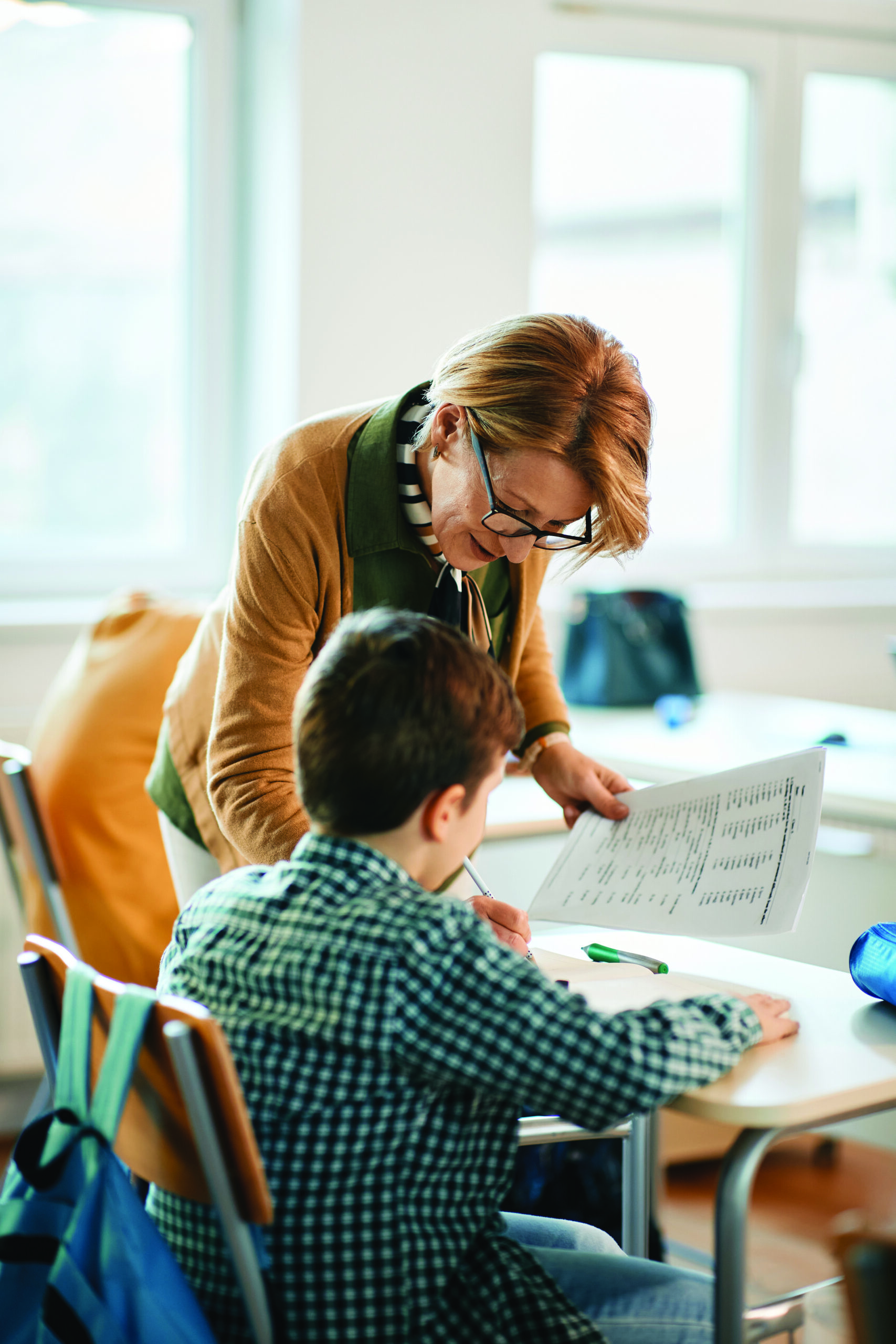
Research into being and living well reinforces that wellbeing and learning are inseparable. When children feel known, safe, and valued, their capacity to learn flourishes. Primary leaders create the conditions where this can happen. They understand that joy is not a distraction from rigour but a foundation for it. They ensure every child feels competent, curious, and connected, today and for the future.
Recognising the value we already have
Australia’s primary schools already add extraordinary value academically, socially, and economically. But their greatest contribution lies not just in successful learners, but also in the human and relational domains that are hardest to measure: The confidence built in a hesitant learner, the empathy grown in a classroom discussion, the courage shaped through teamwork or care.
As a nation, we need to see and celebrate these forms of value. When we do, success is reframed, not as a score, but as a story of growth, contribution, and belonging.
A call to revalue the everyday
Primary schools are one of Australia’s greatest public goods. They are places where learning is lived, where character is formed, and where the future is rehearsed daily through acts of cooperation and care.
The quiet, often unnoticed work of primary schools and their leaders deserves not just recognition but respect, for it is through this work that communities take shape, and the next generation learns not only how to learn but how to live well together.
In August 2026, National Primary Education Week, part of APPA’s “Start Well, Learn Well: Why Primary Matters” campaign, will celebrate the vital role of primary education in shaping Australia’s future. Across the nation, schools will open their gates to showcase student learning, leadership, and community connection, deepening appreciation for the strong early foundations that support lifelong learning and wellbeing.
In every classroom, there is learning for the future, and for the now. The joy, belonging, and sense of purpose children experience today are the foundations of the society we will become.
Angela Falkenberg
President, Australian Primary Principals Association
To explore APPA’s advocacy and position papers, visit www.appa.asn.au