Aurora: Date says Indigenous led support works
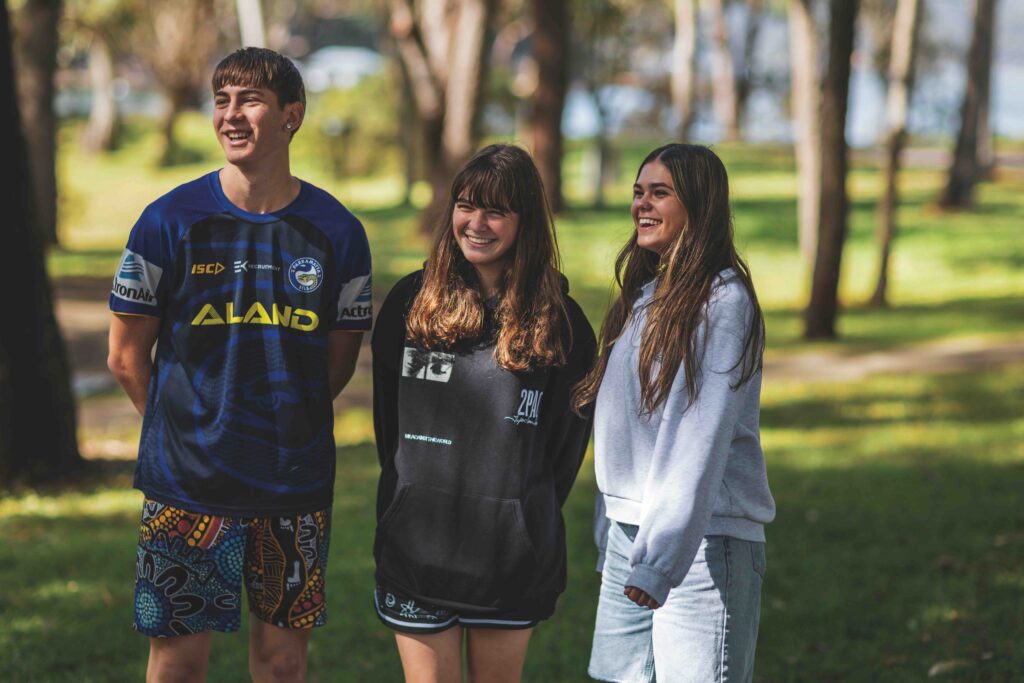
Embedded and measured Indigenous-led models are beginning to show the potential for lasting impact.
In 2022, Aurora launched Redefining Indigenous Success in Education (RISE), a five-year initiative to redefine Indigenous student success, strengthen student outcomes and generate one of Australia’s largest Indigenous-governed datasets on what works in Indigenous education.
As we enter our fourth year of RISE, and off the back of our 2025 Impact Report, we’re sharing insights into what we’ve learned, feedback from participants, and the clear markers of where things are working.
More importantly, we want to show how this evidence can shape educational programs and policies that create inclusive education models for Aboriginal and Torres Strait Islander students and support real, lasting generational change.
Understanding our levels of support
Aurora’s program delivers tiered support across Core, Focus and Learn streams. Tutoring is offered in every stream, with flexible choices for subjects, delivery and timing. Aurora recommends at least six hours each semester.
The Aurora Support Plan provides up to $1,000 per semester for education, health, wellbeing and cultural needs, with funding set in consultation with families. Core and Focus students receive a laptop in Year 8, and Learn students receive one when they join.
Core students attend three two-night camps each year with cultural and academic activities delivered through the RISE Curriculum and supported by Elders and Indigenous mentors.
Focus students join three one-day engagements each year that follow the same cultural and academic approach. Core and Focus families take part in an annual engagement day that brings families together with staff, Elders, mentors and the wider program community.
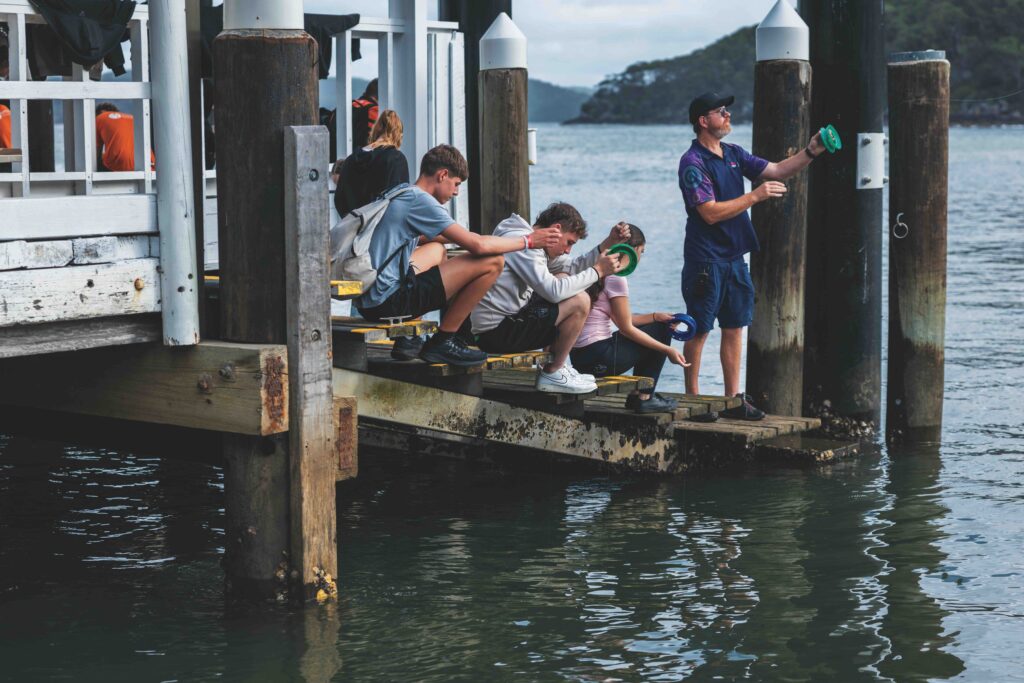
Attendance changes when cultural safety exists
One of the strongest and most consistent patterns across our data is that when the level of Indigenous led support increases, students are more engaged in their education. We’ve seen a 69 per cent reduction in school refusal in our most intensive model, HSP Core.
This sends a clear message to anyone investing in Indigenous education: Indigenous students show up when they feel culturally safe, supported, connected and seen. They want to learn. They thrive in environments built with their identity and wellbeing in mind.
We spoke to a parent who said her child had gone from wanting to leave school in Year 10 to now wanting to finish Year 12, a change noticed across the whole family.
“Her grades have gone up, her attendance has improved, and she’s a lot more confident with public speaking.”
She believes one of the biggest drivers of this shift has been access to hands-on support through RISE. Her daughter, with growing confidence and the reassurance that she has the support she needs, is excited about what lies ahead.
“My child is more engaged and feels more confident to ask questions in class. She’s now coming first in her classes.”
This is why intensity matters, because the depth of support changes outcomes. Wraparound support changes how students feel about themselves and how they participate in the classroom, and their grades reflect this.
Why students need support beyond the classroom
Tutoring is built into every level of RISE. For many students, it’s the support that keeps their learning on track, especially when family circumstances, health issues or other disruptions make it harder to keep up at school.
When a student’s learning was disrupted by moving house, she was able to access tutoring to help her catch up.
“When we had to move houses, I was behind in school. The tutor helped me catch up on my schoolwork when I went back. We even did tutoring through the school holidays,” she shared.
Another student highlighted the value of the setting itself: “It’s really helpful to have that one-on-one experience compared to a classroom environment, because you get to be able to ask those important questions that you may be too shy to ask in class.”
These insights show that students do want to learn, but traditional classroom settings don’t work for everyone. Access to one-to-one support outside school hours is an important factor when creating programs for Indigenous students.
A modest investment is shifting student mindsets
Through analysis of student sentiment alongside scholarship spending, data shows that $1,000 of financial support is associated with a statistically significant 10 per cent improvement in student happiness, their belief in trying hard at school, and their families’ self-concept of their place within the education system.
These early findings show how funding for basic student needs can be effective in removing financial barriers to education. Socioeconomic barriers to education are a lived reality for some Indigenous students, and RISE highlights the importance of targeted, informed investments to support success.
Strength in identity and culture creates confidence
RISE is designed to understand how cultural engagement influences student wellbeing and identity. In our HSP Core and Focus programs, students engage with RISE through a mix of camps and one-day events, combining cultural engagement with academic enrichment.
Feedback shows that these activities play an important role in learning about culture and building relationships with other Indigenous students, especially for students in schools with few Indigenous peers or staff.
As students often use our engagement days to talk about challenges they face at school and in their personal lives, Aurora’s Mentors and Elders are trained to provide trauma informed support and create a safe environment.
One student shared, “I like going to the engagement days because I get to see what other people do and listen to the stories and learn new things. I also get to bring up issues that’s happening at school or at home to the people there and they’re able to talk me through it at the same time.”
These experiences strengthen students’ cultural identity and build confidence that carries back into the classroom. One student told us, “I’m more confident than ever when I talk about my Indigenous culture.”
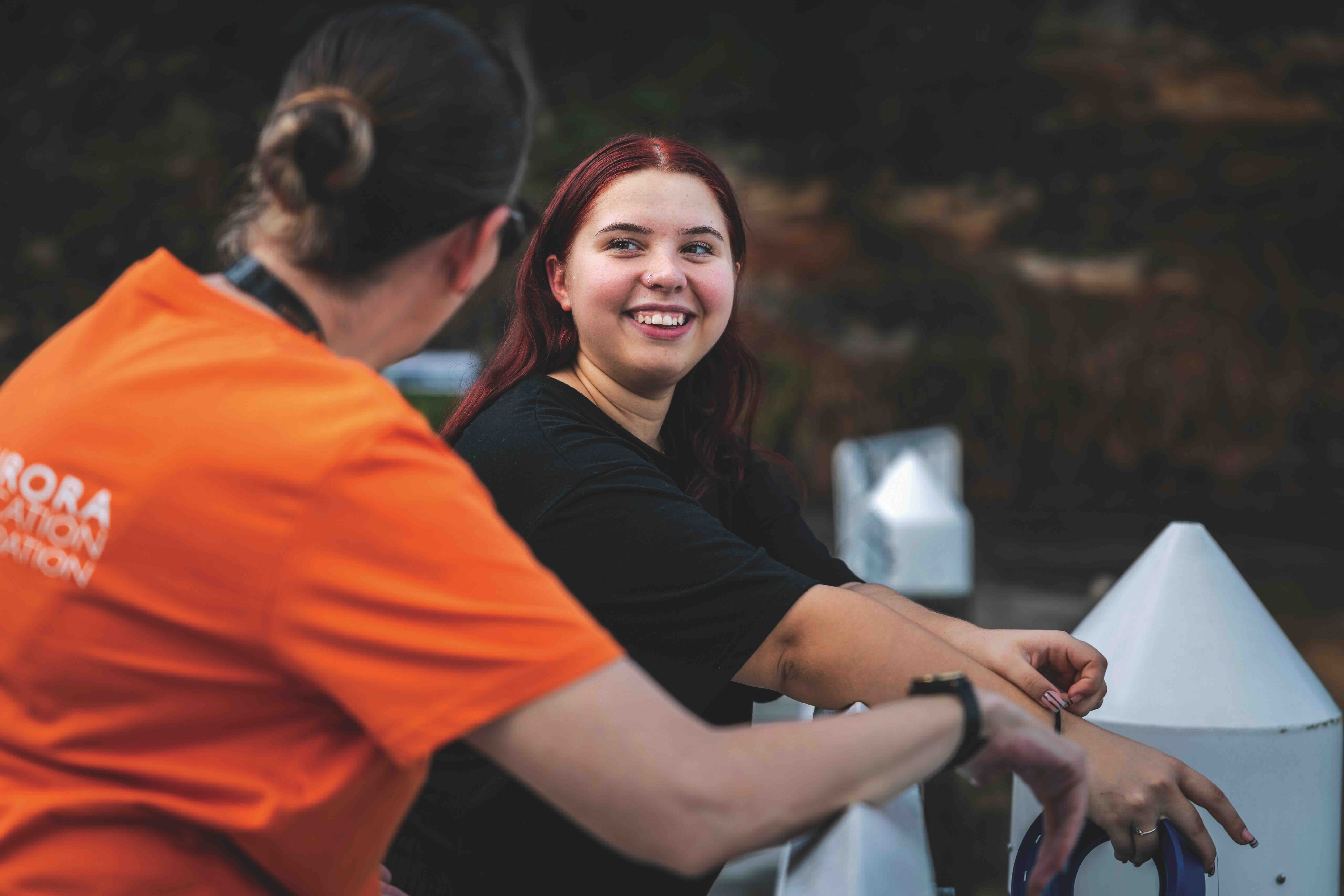
These stories show that when students feel safe to open up, connect with their culture and engage in confidence-building activities, they are happier, more secure in their identity, and have greater aspirations and outcomes.
The path ahead for RISE
Now that we have a deeper understanding around what is working, our next focus is a shift from delivery alone to expanding RISE into more partner schools and connecting with more Indigenous students.
Expanding access is critical to the program’s long term impact. Increased participation strengthens immediate student outcomes and deepens the evidence base that shows how and why the program works.
And as we grow, it’s important to remember why scale matters in the first place.
Indigenous education has never been a one size fits all space. Our communities are diverse, our stories are different, and our young people carry strengths that mainstream frameworks often fail to recognise.
Indigenous led research matters because it captures what mainstream frameworks miss.
We have been working closely with the NSW Department of Education to access student data (with consent), to strengthen the next stage of RISE. Having this information will allow us to compare our Indigenous led measures of success with the system’s own indicators, showing where they complement each other, and where the system needs to evolve.
RISE is our commitment to doing this work properly. We are taking the time to listen, measure, reflect and refine. We are building evidence that centres culture, relationship and identity, not as add-ons, but as the foundation of effective education.
When Indigenous led programs are resourced, respected and expanded, our young people flourish. As we move into our fourth year, we are calling on people, policies, and programs to invest in what works, invest in what is proven, and invest in models that champion the brilliance of Indigenous young people.
[email protected]
aurorafoundation.com.au