CIVIQ: The hidden cost of ageing school water points
Many schools hold off on replacing drinking fountains until the problems won’t go away.
A leak that returns again and again. A queue that gets longer every term. A hygiene worry raised at a parent meeting. Another maintenance job added to the list.
Sooner or later, it’s clear the issue isn’t one broken part. The whole setup is getting old.
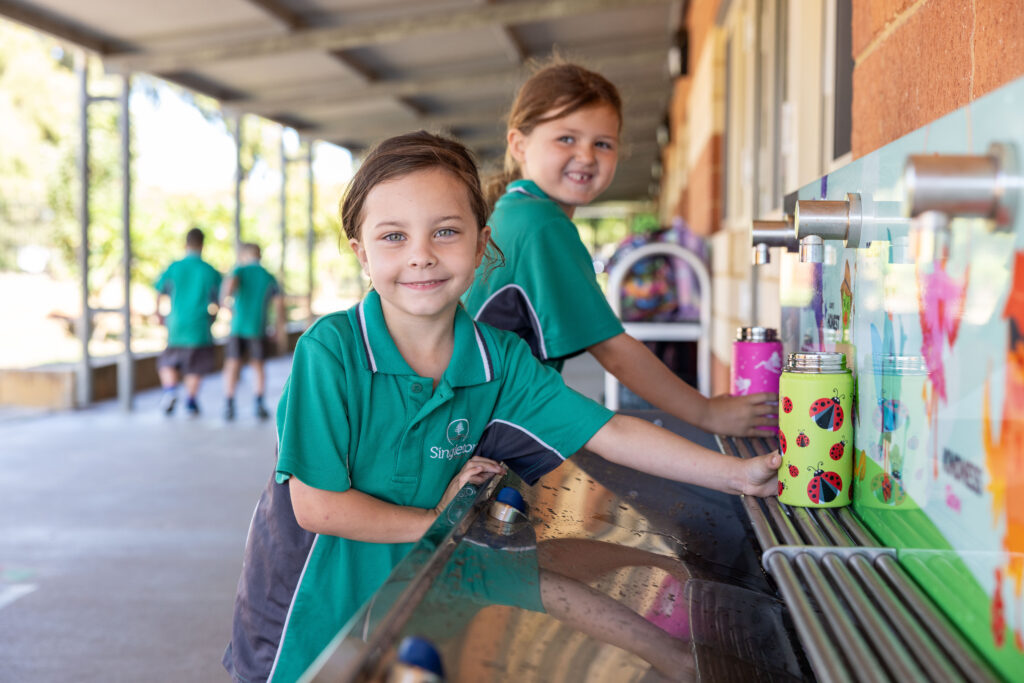
Students use water differently now. Most carry reusable bottles and refill them during breaks. Old troughs were made for quick sips, not steady bottle refills.
Beat the break time bottleneck
Long queues aren’t usually about behaviour. They’re about access. Traditional troughs create one line, then bottle refilling slows everything down. Modern hydration stations separate drinking points from bottle refill points so more students can use them at once. Look for:
- Dedicated bottle refill outlets
- Separate drinking points
- Fast refill flow
- Clear user spacing
Many schools find that replacing older fountains gives back 10 to 15 minutes of learning time each day as students return to class faster.
Make bottle refilling a non event
If bottles don’t sit comfortably under the nozzle, refilling becomes awkward. Students tilt bottles, water splashes, and some walk away half full. Well designed refill systems include:
- Recessed refill areas that stabilise bottles
- One handed operation
- Height options suited to different age groups
- Controlled refill flow to reduce splash
Hygiene you can see
Since COVID 19, the bar for hygiene has risen. Parents, staff and students notice what looks clean and what doesn’t. Water points sit right in the middle of that.
Good design makes hygiene obvious. Clear separation between touch points and refill nozzles reduces concerns. Stainless steel components handle regular cleaning. Good drainage prevents visible pooling.
Research shows 75 per cent of students want clean, hygienic water that meets quality expectations. When confidence drops, usage drops fast.
Stop the repeat call outs
Old bubblers repeat the same problems: leaks, blockages, damaged fittings, and parts that are hard to reach. Each fix seems small, but together they eat up time and budget.
Durable construction, vandal resistant parts, and easy service access mean fewer urgent call outs. Using existing plumbing where you can also helps avoid extra work.
As a guide, recent projects have ranged from about $4,000 to $12,000 per installed hydration station, depending on features and site conditions.
What other schools saw after the switch
“Our existing drinking troughs were very old, and 60 per cent of the taps did not work. Students would not use them due to their appearance.” Ken, Business Manager, Berwick College
A two minute site check
Stand by the water point during a busy break.
- Are students waiting longer than expected?
- Are bottles removed half full?
- Are maintenance issues recurring?
- Are staff regularly managing congestion? If you tick yes more than once, the problem is probably structural, not a one off fault. Water at school should be easy. If it’s not, it’s worth fixing.
Book a free hydration review
Book a free Hydration Review with our experts to find a solution that works for your school. We’ll visit, check your setup, spot what’s holding students back, and recommend practical upgrades that make a real difference.
No pressure. Just practical advice, and a smarter way to keep your school moving. Exclusive deal: Mention EDUAU26 when you book.
1300 600 300
civiq.com.au/educationau