Beyond Blue: More confident, less prepared: What the latest mental health in education survey tells us
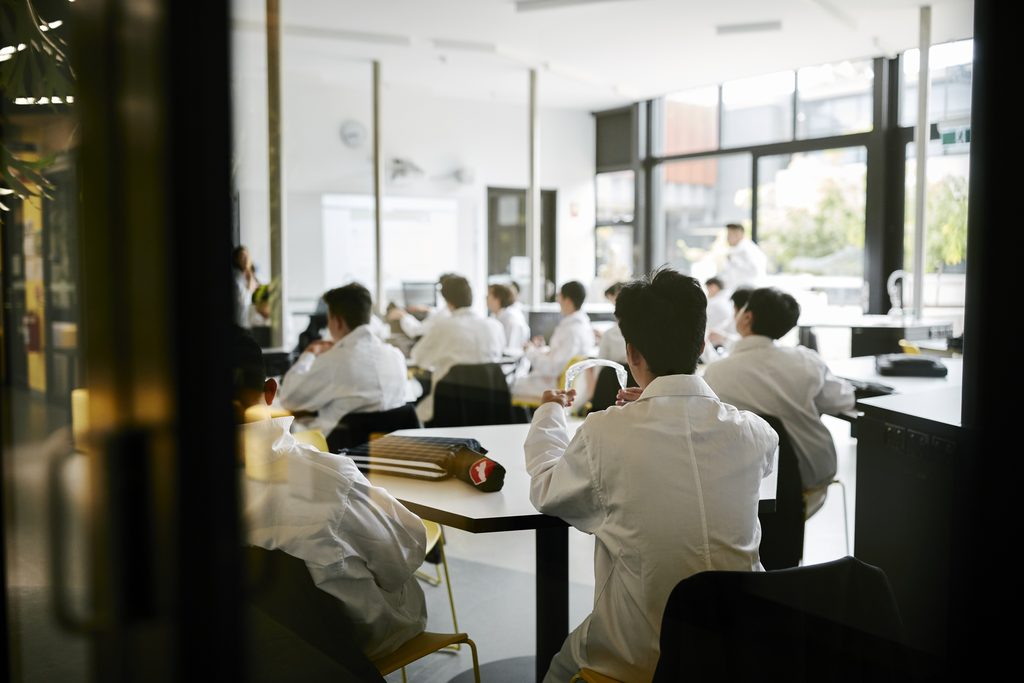
Across Australia, schools are grappling with rising student mental health needs, while young people navigate a world of constant global crises and distressing events.
Together, these experiences are shaping students’ wellbeing, and in turn, expanding the role educators play in recognising and responding to mental health needs in their classrooms. This makes it more important than ever to equip educators with the tools, training and support they need.
Understanding how these challenges are experienced across the education system and educators’ confidence and capability to respond is critical. The National Mental Health in Education Survey has been conducted since 2018 as part of Beyond Blue’s mental health in education initiative, Be You.
The 2026 survey captured the challenges and conditions experienced within early learning services, primary schools and secondary schools. This is what Be You found out.
Nearly two-thirds (63 per cent) of educators identify mental health, including anxiety and depression, as the leading health challenge faced by children and young people. More than half (54 per cent) did not agree that children and young people in their learning community are mentally healthy.
For many educators, these survey findings will feel less like new information and more like a reflection of what they are seeing and responding to every day.
As one educator who participated in the National Mental Health in Education survey put it, students’ mental health “affects their entire life, including school attendance, physical activity levels, their engagement with family and peers.”
Alongside these challenges, there are clear signs of progress in educators’ mental health literacy and their confidence in responding appropriately
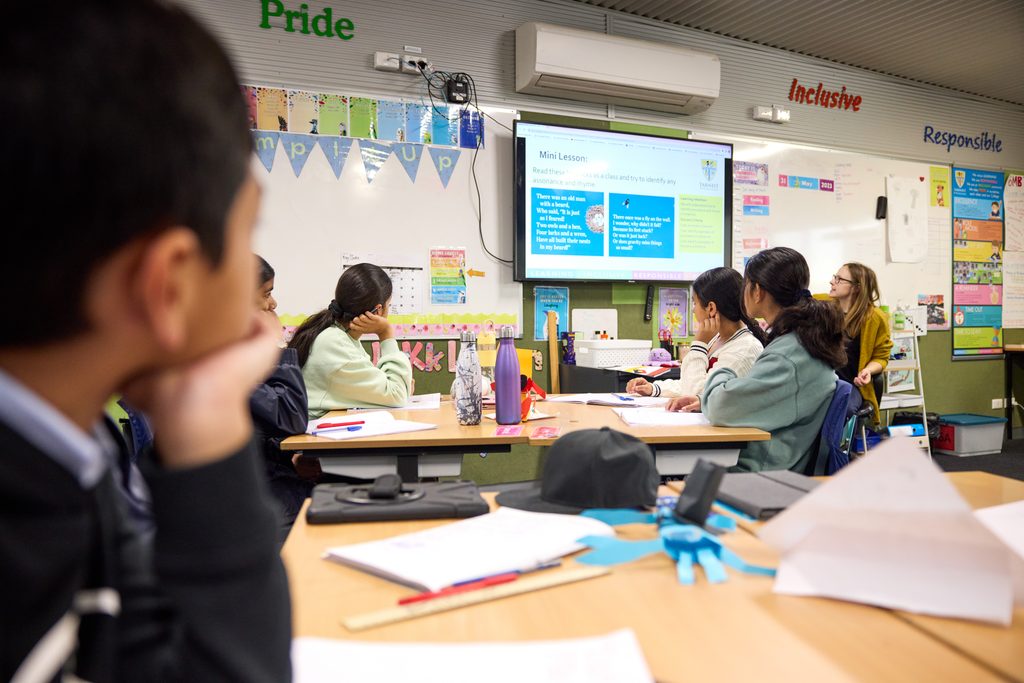
By comparing data sets from 2023, 2024 and 2026, Be You found that educators in Australia are reporting they feel more confident to recognise signs, respond effectively and engage in meaningful conversations with students, colleagues, parents and carers.
Educator’s confidence in recognising the signs and symptoms of different mental health concerns has increased from 66 per cent in 2023 to 76 per cent in 2026. Their confidence in responding appropriately to support children and young people with a mental health issue or condition has also seen a similar upwards trend, rising from 72 per cent of educators in 2023 to 80 per cent in 2026.
Educators’ sense of confidence matters, given they are often the first line of support for students facing mental health challenges, noticing changes in behaviour, wellbeing or engagement and providing referrals for further support.
At the same time, schools are operating in a context of ongoing global uncertainty and more complex critical incidents that are influencing student wellbeing. News coverage prior to and during the survey fieldwork was dominated by issues such as national responses to violent incidents and the impacts of extreme weather and climate events. As an educator who participated in the 2026 survey explains, “a lot of children are exposed to news constantly via radio, TV and social media. They hear the anxiety in these people’s voices and naturally take on the same view.”
The survey data indicates that while mental health literacy has improved, confidence in responding to critical incidents, such as a death or suicide of a child, young person or staff member, natural disaster or bomb threat, has declined. In 2024, 71 per cent of educators Be You surveyed felt their education setting was adequately prepared to respond to a critical incident. In 2026, this has dropped to 63 per cent. While educators are becoming more confident in recognising and supporting students’ mental health needs, they are feeling less prepared to respond to a critical incident.
Targeted support for educators can make a difference to their confidence. Be You found that 71 per cent of educators engaged with the initiative were confident their learning community is adequately prepared to support children and young people after a critical incident when Be You has been embedded throughout the whole learning community.
What supports educators and students when it matters most.
Critical incidents represent moments of great impact for school communities, where confidence, preparation and support matter most. While these situations are complex, there is strong evidence of what helps schools respond effectively.
Prioritising your own wellbeing is a critical part of enabling you to support others. Ways in which you can do this include checking in with your emotions, setting clear boundaries and chatting with your colleagues. School leaders can support this by ensuring educator wellbeing is prioritised and embedded in the workplace culture.
Just as important is creating a sense of stability and predictability for students. This could involve encouraging safe conversation with students, including talking about the natural disaster or traumatic event, while understanding that some children or young people may not be ready to do so.
Re-establishing simple, predictable routines like starting lessons with clear expectations, building in regular breaks and using a mix of individual and group activities can also help create a calm and consistent environment.
Fostering connection and encouraging participation also plays an important role. Whether through peer-to-peer support networks, collaborative learning or informal check-ins, creating opportunities for students to support one another can help rebuild a sense of belonging and safety.
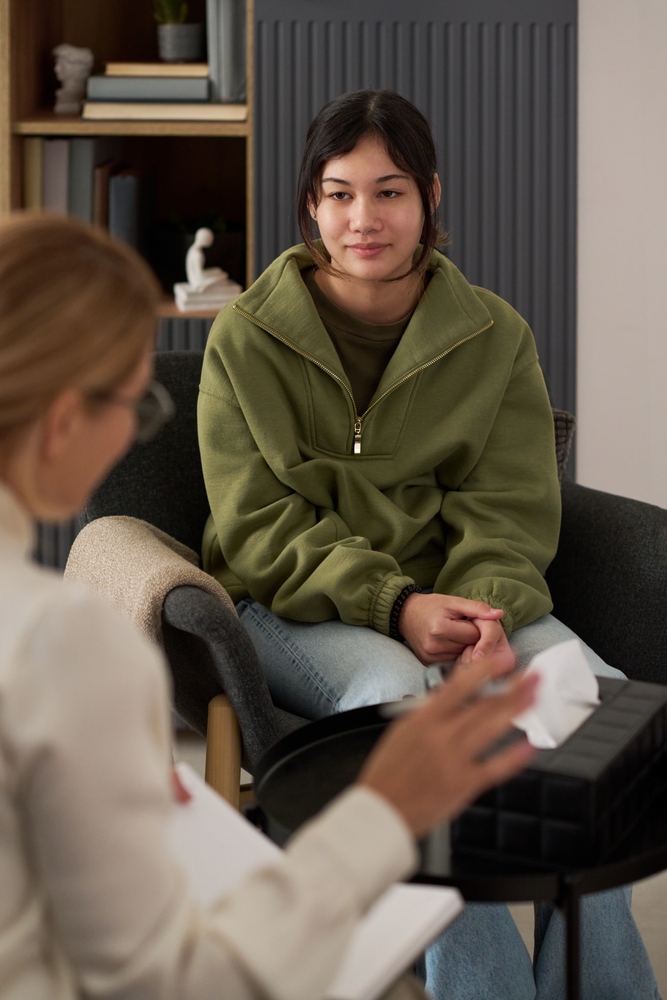
Involving children and young people in decision-making can help restore their feelings of control. This could look like providing a choice of assignment topics or brainstorming classroom or extracurricular activities with them.
Equipping students with emotional literacy skills can help them make sense of what they are feeling and why. This could include teaching students to recognise and name their emotions, modelling healthy ways to respond to challenging situations or teaching resilience, including what it is, why it’s important and how they can “grow” and develop it. You could also use creativity to encourage expression, such as through conversation, play, art, music or other creative activities to help students connect with one another, share their experiences and explore their feelings.
Educators are doing extraordinary work under pressure, but their ability to keep showing up depends on how well the system shows up for them. By investing in their confidence, capability and wellbeing, we can create learning communities where every child feels safe, supported and able to thrive, no matter what challenges unfold in the classroom and beyond the school gate.
About Be You
Be You is Australia’s national mental health and wellbeing initiative for education, delivered by Beyond Blue in collaboration with Early Childhood Australia and headspace, and funded by the Australian Government Department of Health, Disability and Ageing.
Free to all early learning services and schools in Australia, Be You provides access to evidence-based tools, professional learning and expert guidance to help embed mental health and wellbeing into everyday practice, leadership and culture. Find out more at beyou.edu.au.
03 9810 6100
beyondblue.org.au