
Be Challenged: Preparing students for a life of leadership beyond the school gates
For generations, schools have been trusted with preparing young people for the future. Traditionally, that preparation has been measured through academic achievement: marks, exams, ATARs, subject mastery and progression through the curriculum.
These things still matter. But they are no longer enough on their own.
The world students are moving into is uncertain, fast-changing and increasingly complex — a future that demands more than content knowledge. It calls for self-awareness, resilience, communication, adaptability, ethical judgement, collaboration and the confidence to contribute meaningfully in unfamiliar environments.
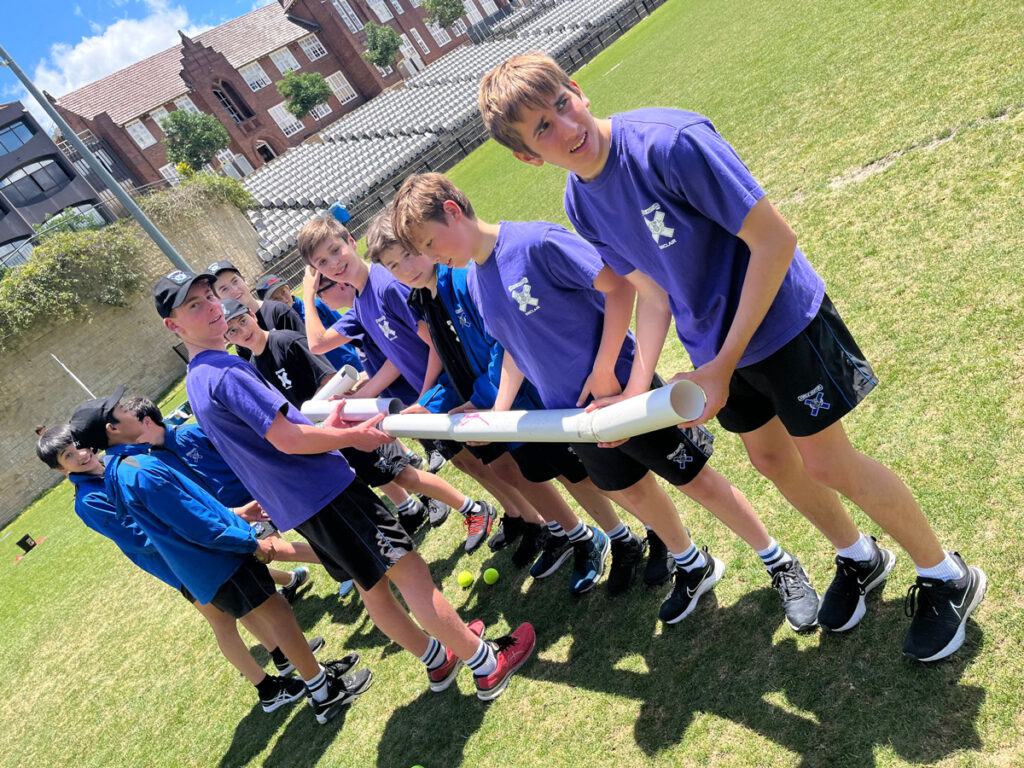
High school students are already capable of leadership. The question is whether schools are intentionally helping them recognise, practise and apply that capability before they leave the gates.
Leadership is not a badge. It is a capability.
In many schools, leadership is still associated with formal roles — captains, prefects, house leaders, committee members. These opportunities are valuable, but they can unintentionally narrow the definition of leadership to a select few. A more contemporary view sees leadership as a human capability: the ability to understand self, work with others, influence positively, solve problems, act with purpose and create impact.
This matters because the capabilities students need beyond school are not reserved for those with titles. Employers, communities and tertiary environments increasingly value young people who can communicate clearly, collaborate effectively, show initiative, respond to change and persist through complexity.
This aligns strongly with the Australian Curriculum’s General Capabilities, which are designed to equip young Australians with the knowledge, skills, behaviours and dispositions to live and work successfully.
The opportunity for schools is to make these capabilities visible, intentional and lived.
Why strengths-based practice matters
A strengths-based approach begins with a different question. Instead of asking, “What is missing in this student?” it asks, “What is already present that can be recognised, developed and applied?”
For adolescents, this distinction is significant. High school is a formative period for identity, confidence and belonging. Students are learning not only what they can do, but who they are becoming. When leadership development begins with strengths, students are more likely to see themselves as capable contributors rather than passive learners waiting to be assessed.
Strengths-based practice does not mean ignoring challenge. In fact, it allows students to meet challenge from a stronger foundation. A young person who understands their strengths can approach uncertainty with greater confidence. They can identify how they contribute in a team, where they may need support and how to stretch into new behaviours. Leadership becomes less about personality and more about practice.
Beyond knowing: students need to experience, reflect and apply
One of the most important shifts in contemporary education is the movement from knowledge transmission to capability formation. Students do not become better communicators simply by being told communication matters. They do not build resilience by reading a definition of resilience. They develop these capabilities through experience, feedback, reflection and repeated application.
This matters because leadership is behavioural. It lives in what students do when a plan changes, when a teammate disagrees, when feedback is uncomfortable, when there is no obvious answer or when competing priorities require judgement. These are precisely the moments young people will encounter beyond school — in workplaces, universities, communities, relationships and civic life.
The Australian Student Wellbeing Framework also positions students as active participants in their own learning and wellbeing, using social and emotional skills to be respectful, resilient and safe. A leadership program that gives students real opportunities to practise voice, agency and responsibility is therefore not an optional extra. It is deeply connected to wellbeing, belonging and future readiness.
The capabilities that matter beyond the curriculum
These are not “soft skills”. They are durable human capabilities. They are the skills students draw on when they enter a workplace for the first time, join a team, manage competing deadlines, advocate for an idea, respond to pressure, make an ethical choice or attempt something they have never done before.
If curriculum tells students what they need to know, capability development helps them understand how they can use who they are to contribute meaningfully.
From student leadership to student agency
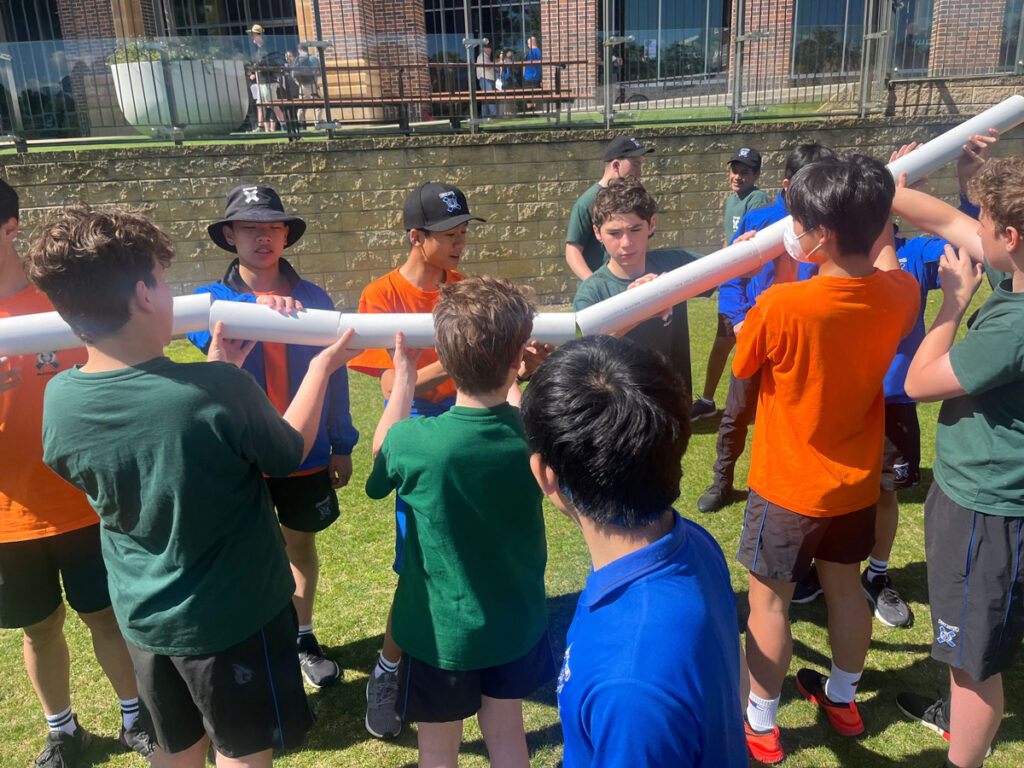
The shift from leadership as position to leadership as capability also supports a broader educational aim: agency. The OECD Learning Compass 2030 presents an aspirational vision for the future of education, with student agency central to helping learners navigate unfamiliar contexts and shape meaningful futures. The OECD Learning Compass 2030 describes this future-facing orientation as part of preparing learners for 2030 and beyond.
The opportunity for Australian schools
A whole-school approach to leadership capability can create a shared language for growth. It can help students understand that leadership is not something they wait to be chosen for; it is something they practise. It can help teachers notice and name strengths. It can help families see development beyond marks. And it can help schools connect curriculum learning with the broader purpose of education: preparing young people to live, work and contribute well.
When schools invest in strength-based leadership development for students, they send students a profound message: you do not need to wait until adulthood to practise leadership.
You can begin now. You can understand yourself now. You can build trust now. You can influence positively now. You can solve problems now. You can create impact now.
1300 723 476
[email protected]
bechallenged.com.au