Civiq: Are microplastics in school water putting kids at risk?
Parents now hear a lot about microplastics in food, air and water. So, it is reasonable to ask what that means for students filling bottles at school. Researchers are still building the full picture, but many agree on one clear step. Where we can cut avoidable exposure for children, we should.
Are there microplastics in us?
Yes.
“They’re in the air we breathe, the food we eat, the water we drink,” said Dr Cassandra Rauert, a senior research fellow at the University of Queensland, investigating how microplastics impact human health.
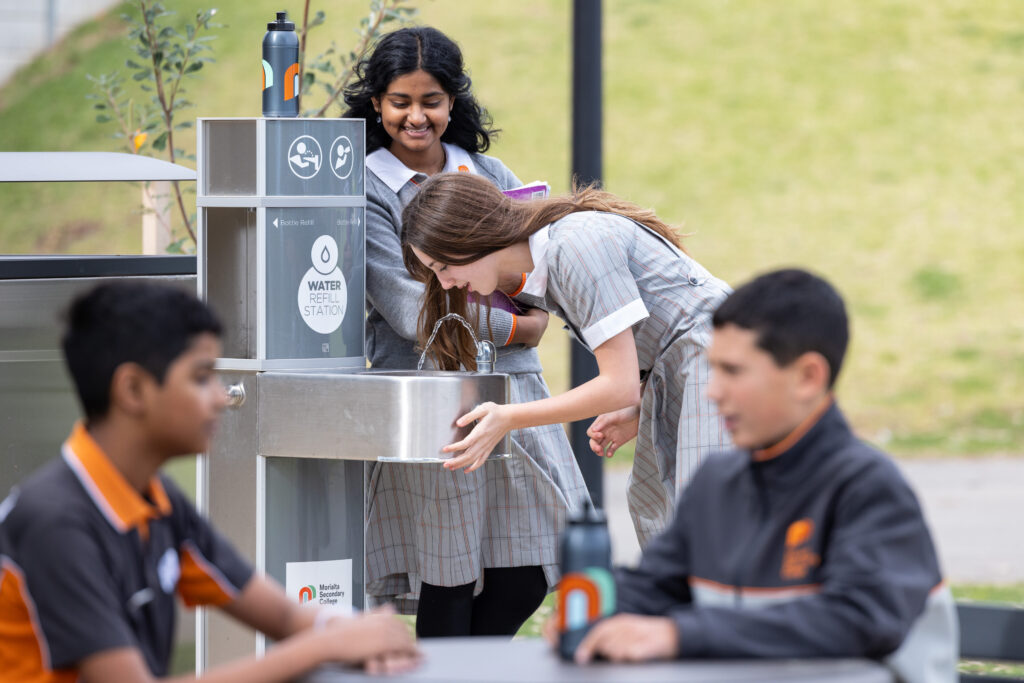
For students, that often means exposure through drinking water, packaged food and indoor dust in classrooms and common areas.
Tap water, bottled water and drinks in plastic containers can all add to the total load over time.
What are microplastics and why they matter
Microplastics are tiny plastic pieces, usually smaller than 5 millimetres, created when larger plastics break down. They have been found in waterways, soil and in both tap and bottled water.
Because they can carry chemicals and move through the body, scientists are now watching how often we ingest them and how they may affect our health.
What research shows
Studies have found microplastics in human blood, lungs and even the placenta.
Early lab work suggests these particles can trigger inflammation and stress in cells and may affect organs when exposure is high or ongoing.
Large human studies are still limited, but recent reviews say the pattern is concerning enough that reducing exposure, especially for children, is a sensible step.
The health risks of microplastic exposure for kids
Children drink more water and eat more food per kilo of body weight than adults. That means they may take in more microplastics from the same environment.
Emerging research suggests that exposure in childhood could affect the gut, immune system and hormones, and may be linked with higher inflammation in the body. The science is not settled, but paediatric and public health experts are starting to treat microplastics like other pollutants, where a “less is better” approach makes sense.
How schools can reduce exposure
Schools cannot control every source of microplastics, but they can take practical steps.
For example:
- Encourage reusable bottles instead of single-use plastic
- Reduce plastic-heavy packaging in canteens
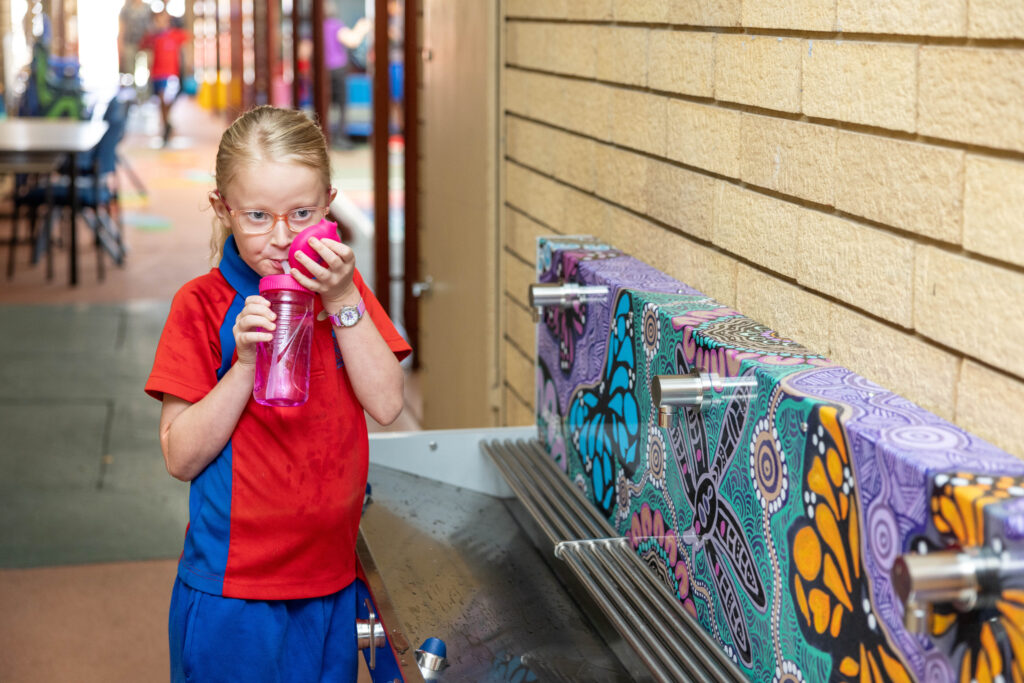
- Use hydration stations that include certified filtration
Filters in school hydration stations reduce lead, particles, chlorine, odours and discolouration so water looks and tastes better and students drink more.
They are tested and certified for chlorine, taste, Class 1 particulates and microplastics, so they catch small plastic fragments and other unwanted matter in the water.
Aquafil Hydrobank, Pulse, Elkay stations can all be fitted with these filters to support cleaner water and lower microplastic exposure during the school day.
Make your school’s drinking water cleaner and safer
Book Your Free Hydration Review with our education team. We will review your current setup and provide clear filter options and a quote tailored to your school.
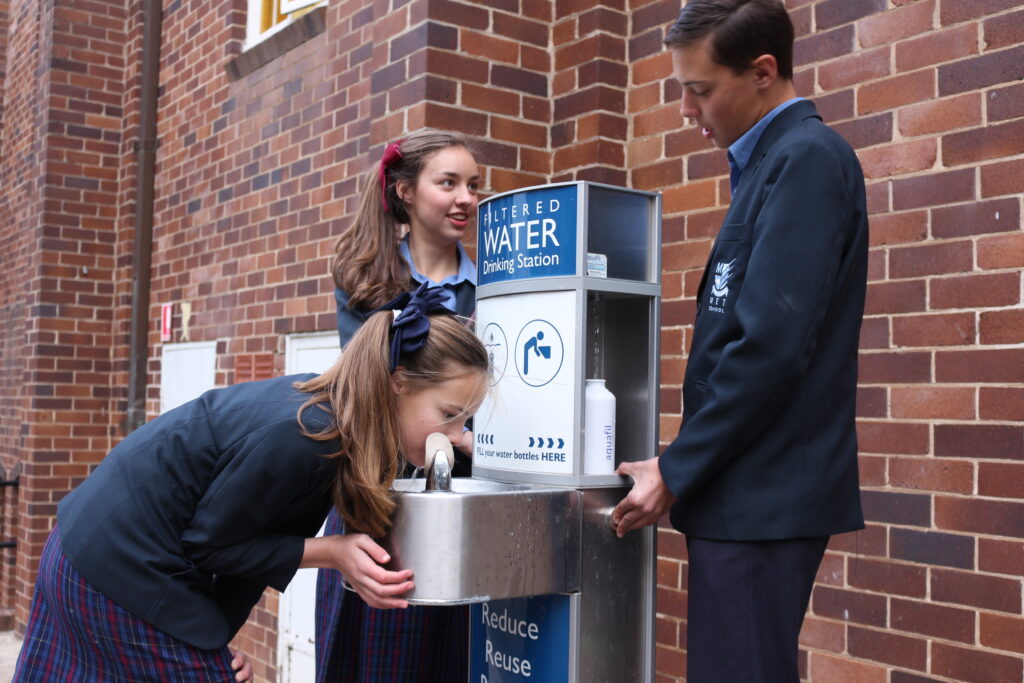
Mention EDUAU when you book to receive a free Aboriginal art panel on eligible orders.
1300 600 300
civiq.com.au/education