
Kidzspace: Planning a new school playground? Avoid these four common mistakes
A new playground is one of the most valuable investments a school can make in its outdoor environment. It provides opportunities for physical activity, social interaction and imaginative play while supporting students’ overall wellbeing.
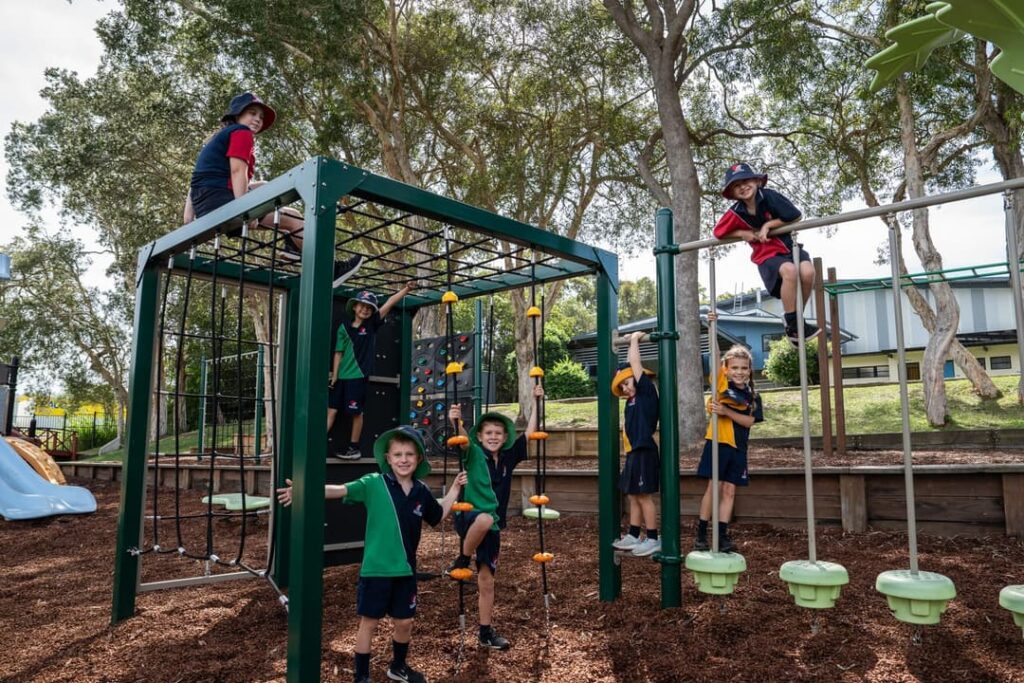
With many commercial playgrounds expected to provide 15 years or more of service, taking the time to plan properly before construction begins can help avoid costly changes, minimise project delays and ensure the finished playground meets the school’s long-term needs.
Here are four common mistakes schools make when planning a new playground, and how to avoid them.
1. Leaving Planning Too Late
Many schools begin planning only a few months before they hope to install a new playground. This can place unnecessary pressure on budgets, approvals, manufacturing lead times and school holiday installation schedules.
Starting the planning process early gives schools more time to refine the design, secure funding, obtain approvals and schedule installation during preferred holiday periods.
2. Choosing Equipment Before Assessing the Site
Every school site presents its own opportunities and constraints. Factors such as available space, slopes, drainage, underground services and site access all influence the final design.
A site assessment before selecting equipment helps ensure the playground suits the available space, complies with Australian Standards and provides a safe, functional play environment for students.
3. Forgetting About the Complete Project
The playground equipment itself is only one part of the project. Schools should also plan for impact-attenuating surfacing, shade structures, site preparation, drainage, landscaping and accessible pathways.
Considering these elements from the outset helps establish a realistic budget, reduces the risk of unexpected costs and supports a smoother installation process.
4. Managing Multiple Contractors
Using separate contractors for playground equipment, soft fall surfacing, shade structures and landscaping can make project coordination more challenging.
Working with one experienced team to manage the entire project can simplify communication, improve scheduling and provide greater confidence that every aspect of the installation has been carefully coordinated.
Planning Ahead Makes the Difference
Every school has different priorities, budgets and site requirements. Taking the time to plan early and consider the complete project, not just the playground equipment, can help create an outdoor space that is safe, engaging and built to serve students for many years.
Engaging an experienced playground provider early in the planning process can also help schools explore design options, establish realistic budgets and identify site-specific considerations before construction begins.
Kidzspace works with schools across Australia to design, supply and install commercial playgrounds, soft fall surfacing, shade structures and associated site works, providing one experienced team from concept through to completion.
1300 543 977
[email protected]
kidzspace.com.au