
Aquarius Technology: Beyond free chlorine: Why commercial pools need total chlorine monitoring
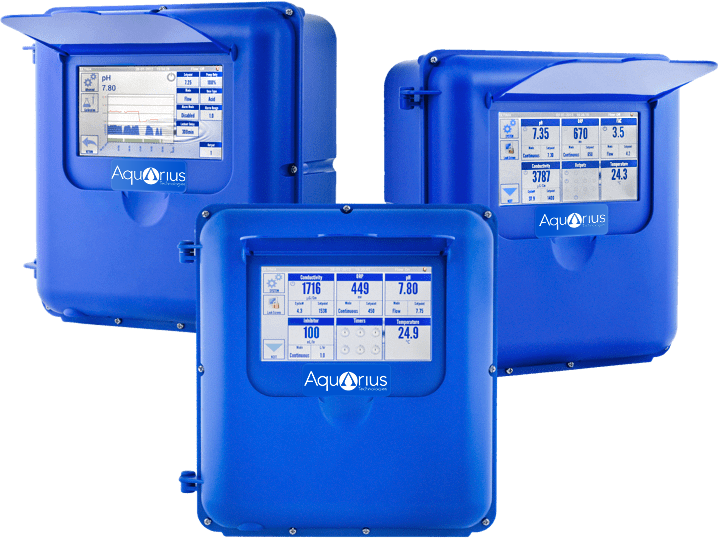
Maintaining safe, sparkling pool water is about far more than simply keeping chlorine levels within range. While Free Chlorine has long been the primary measurement used to control disinfection in commercial pools, many operators are discovering the benefits of monitoring Total Chlorine alongside Free Chlorine using advanced controllers such as the Aquarius SP26 series. Aquarius commercial pool controllers support both Free Chlorine and Total Chlorine sensor options, allowing operators to gain a more complete picture of water quality and sanitiser performance.
Free Chlorine represents the active sanitiser available to destroy bacteria, viruses and algae. However, as swimmers introduce sweat, body oils, cosmetics and other organic contaminants, chlorine reacts with these compounds to form chloramines, also known as Combined Chlorine. These chloramines reduce sanitising efficiency and are often responsible for the characteristic “chlorine smell” many people associate with swimming pools.
This is where Total Chlorine monitoring becomes valuable. Total Chlorine measures both the active Free Chlorine and the Combined Chlorine present in the water. By monitoring both values, pool operators can easily calculate Combined Chlorine levels:
Combined Chlorine = Total Chlorine – Free Chlorine
This simple calculation provides important insight into overall water quality that cannot be achieved by measuring Free Chlorine alone.
For commercial aquatic facilities, schools, universities, hotels and recreation centres, swimmer comfort is a critical consideration. Elevated chloramine levels can cause eye irritation, skin discomfort and unpleasant odours, particularly in indoor pools. By continuously tracking Total Chlorine, operators can identify chloramine build-up before it becomes a problem and take corrective action such as breakpoint chlorination or oxidation treatment.
Dual chlorine measurement also improves operational efficiency. A pool may display acceptable Free Chlorine levels while still suffering from excessive Combined Chlorine. Without Total Chlorine monitoring, these issues can go undetected until complaints arise. Real-time measurement allows operators to respond proactively, reducing downtime and improving the swimming experience.

Regulatory compliance is another key benefit. Many health authorities and pool management guidelines recommend monitoring Combined Chlorine to verify effective water treatment. An Aquarius controller equipped with both Free and Total Chlorine sensors enables continuous recording and trending of chlorine performance, supporting audit requirements and demonstrating a commitment to water safety.
Combining Total Chlorine measurement with the Aquarius controller’s existing water quality monitoring capabilities—including pH, ORP temperature and conductivity—provides operators with a comprehensive view of pool conditions. The result is more informed decision-making, optimised chemical usage and improved control over the disinfection process.
As commercial pool operators seek higher standards of water quality, relying solely on Free Chlorine measurement is no longer enough. By incorporating Total Chlorine monitoring into an Aquarius controller, facilities can better manage chloramines, improve swimmer comfort, strengthen compliance and maintain consistently safe, healthy pool water. In today’s demanding aquatic environments, measuring both Total and Free Chlorine is a smart investment in performance, safety and customer satisfaction.
07 3274 4750
[email protected]
aquariustech.com.au