Civiq: The simple fix to poor concentration and disruptive behaviour in classrooms
A drop in hydration as small as one to two per cent can significantly affect how students think, feel, and learn.
Scientific studies have shown that even mild dehydration can impair memory, reduce attention span, and lower decision-making ability.
These are essential skills in every classroom, and students can suffer from not drinking enough water.
Keep reading and discover the easiest way to boost classroom performance without changing your curriculum or adding to your workload.
Hydration fuels the brain and supports behaviour
Hydration plays a critical role in brain function. Research from the University of East London and the British Journal of Nutrition confirms that students who drink adequate water perform better on cognitive tasks, especially those involving memory and focus.
Beyond cognition, water influences many other aspects of health.
It also influences mood and classroom behaviour. Dehydrated students are more likely to feel fatigued, anxious, or irritable. These emotional changes can lead to distractions and disruptions.
Regular hydration helps stabilise mood, boost energy, and improve behaviour, creating a calmer and more productive learning environment. You’ve seen it yourself. The restless energy, the brain fog, and the shift that happens after a quick water break. You know the difference it can make.
Easy access, better habits
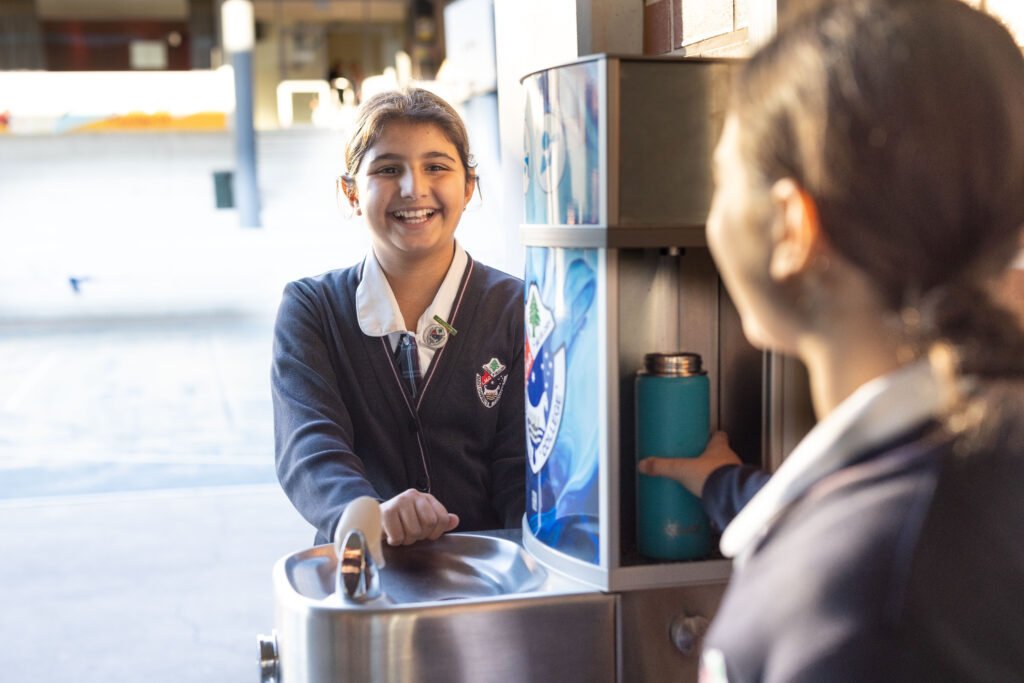
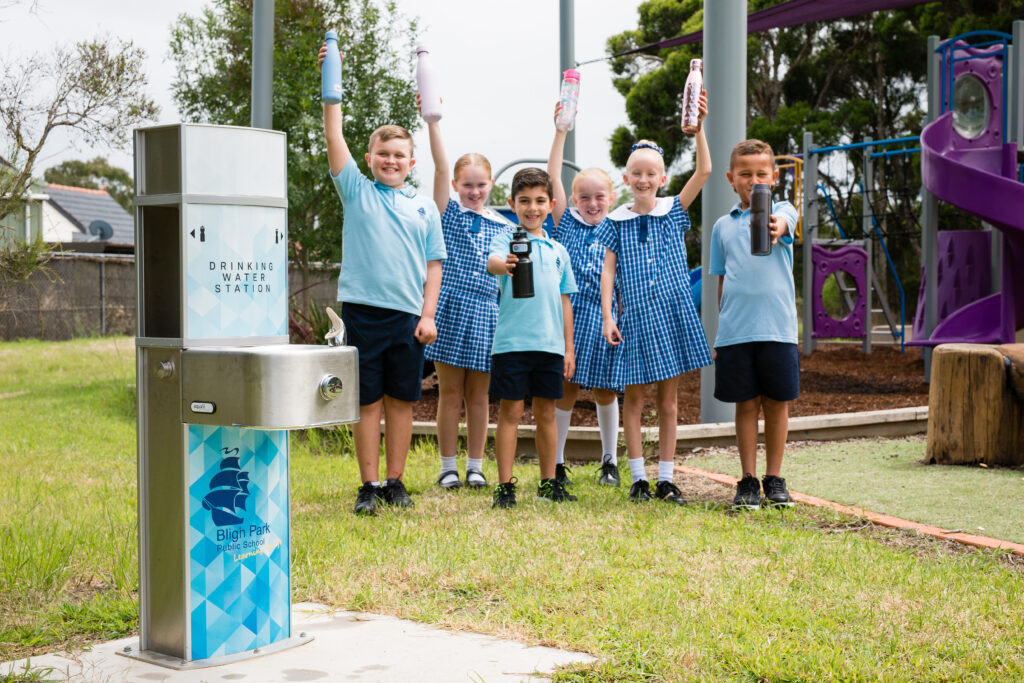
Students are more likely to stay hydrated when water is easily accessible. Installing modern refill stations in schools makes water the default choice and reduces reliance on sugary drinks. Teachers report improved focus and performance when hydration is made part of the routine.
Today’s younger generations are already on board. On platforms like TikTok and Instagram, hydration has become a lifestyle trend. Students proudly carry refillable “Stanley” bottles, share their hydration goals, and participate in wellness challenges.
Schools play a crucial role in building on this momentum, providing the supportive infrastructure and messaging needed to make hydration a school-wide priority.
A win for sustainability
Encouraging the use of refillable bottles not only promotes hydration but also reduces plastic waste, contributing to broader sustainability goals. By supporting this movement, educators can help students understand the positive impact they can have on the environment, making them feel part of a larger, positive movement.
Simple steps for schools
Creating a hydration-friendly environment doesn’t require a major overhaul. With a few simple strategies, schools can encourage better habits, improve student focus, and support long-term health and sustainability.
Here are practical ways to make hydration a daily priority:
- Install bottle refill stations in high-traffic areas like hallways, playgrounds, and near the canteen
- Encourage regular water breaks throughout the day, especially after lunch and physical activity
- Include hydration tips and science in health education programs
- Use signage, assemblies, or student campaigns to promote hydration as a schoolwide priority
- Highlight the environmental impact of plastic reduction through refill culture.
Sure, hydration quenches thirst, but it goes beyond this. Adequate hydration improves concentration, balances emotions, supports health, and promotes sustainability. Every bottle refill supports better learning and a better future.
For more information, visit: civiq.com.au/educationau
1300 600 300
civiq.com.au/educationau
