Tennant Co: Why Universities and TAFEs are embracing robotic floor cleaning
As universities and TAFEs continue to evolve into smarter, more connected learning environments, robotic floor cleaning technology is becoming an increasingly common sight across campuses. Rather than replacing cleaning staff, robotic floor cleaners are changing the way universities and TAFEs approach campus maintenance.
Improving Efficiency Across Campus
Rather than spending hours manually mopping long corridors, foyers and common areas, facility managers can deploy robotic scrubbers to handle routine floor maintenance while staff focus on detail-oriented tasks such as amenities, touchpoints, classrooms and high-traffic student spaces.
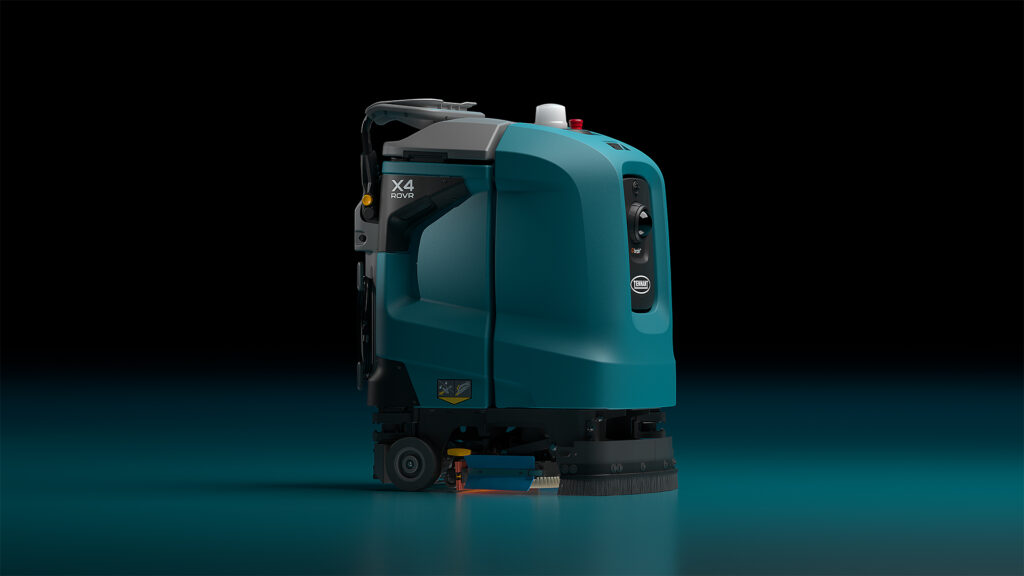
One of the biggest advantages of autonomous floor cleaning is its ability to take on large, repetitive cleaning tasks. Equipment such as the Tennant X4 ROVR robotic scrubber can clean up to 1,860 square metres within a single tank of solution. Additionally, the X4 ROVR is designed to navigate around dynamic indoor environments and pre-programmed to follow routes and schedules, ensuring key areas receive the same level of attention every time.
The result is a more predictable and consistent approach to floor care that supports a positive campus experience for students, staff and visitors.
Embracing Technology and AI Across Campus
Educational institutions have long been early adopters of technology, from smart learning environments to digital infrastructure. This drive on innovation is extending to facility management and campus operations.
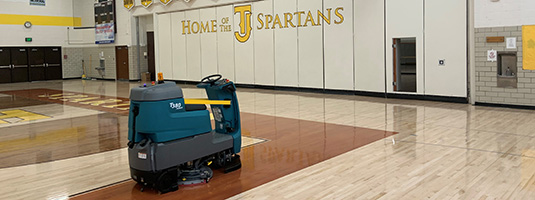
The Tennant X4 ROVR is a clear example of this with its BrainOS artificial intelligence, combined with advanced sensors and real-time navigation technology. Designed to operate safely around students, staff and everyday campus activity, the X4 ROVR continuously monitors its surroundings, detects obstacles and adapts its route in real time.
Supporting Smarter Facility Management
Robotic cleaning equipment can provide valuable performance data, including cleaning coverage, route completion and machine utilisation. This visibility helps facilities managers better understand cleaning activity across campus and make informed decisions about scheduling and resource allocation.
For large education facilities, access to proof-of-performance reporting can improve accountability while helping teams identify opportunities for continuous improvement.
The Future of Campus Cleaning
By combining autonomous technology with skilled cleaning professionals, universities and TAFEs can improve productivity, maintain consistent cleaning standards and support smarter facility management. As campuses continue to modernise, robotic cleaning solutions are helping create cleaner, safer and more efficient learning environments for the future.
Discover a new level of clean.
[email protected]
tennantco.com.au