Transtage: Why every school should invest in a portable stage and backdrop package
Every school hosts a wide variety of events throughout the year, from assemblies and graduation ceremonies to musicals, talent shows, award presentations and parent information evenings. While these events create memorable experiences for students and families, they also require a professional, safe and reliable presentation space. Investing in a portable stage and backdrop package is one of the most practical ways for schools to elevate every event without the expense of constructing a permanent stage.
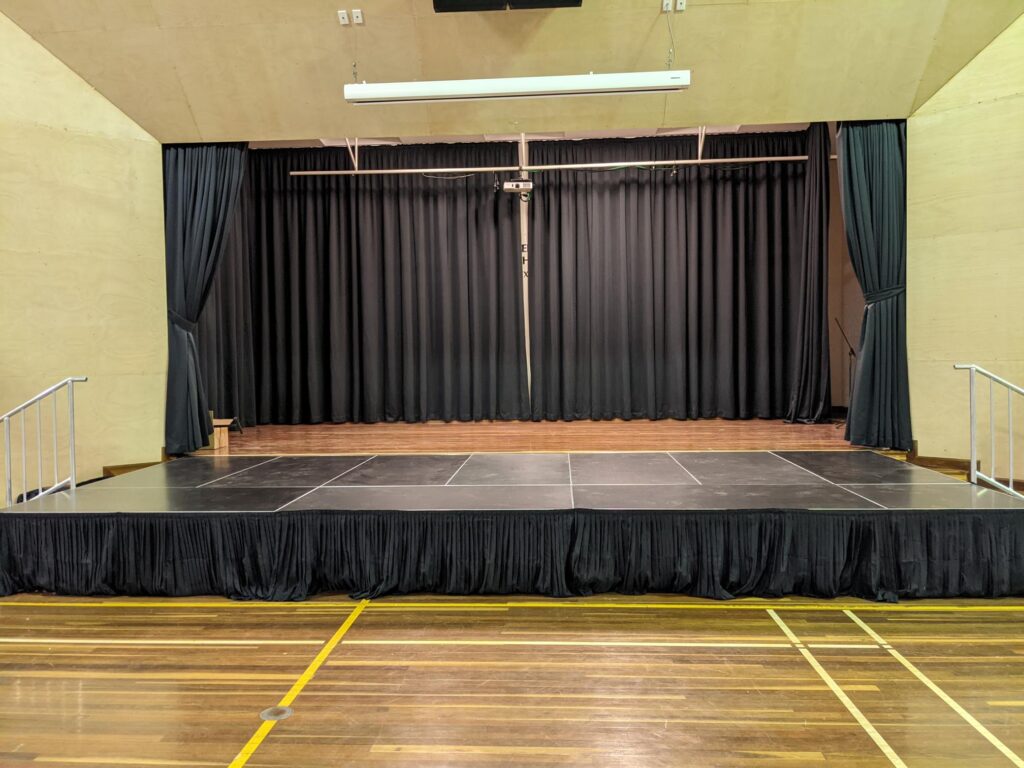
A modular portable stage provides schools with complete flexibility. Unlike fixed stages that are limited to one location, portable staging can be assembled wherever it is needed—whether that’s in the school hall, gymnasium, outdoor courtyard or sports centre. The modular design also allows schools to create different stage sizes depending on the occasion, making it equally suitable for a small classroom presentation or a full-scale school production. Transtage’s portable stages are designed for quick assembly, height adjustment and long-term durability, making them ideal for busy school environments. They are independently tested and certified, with a loading capacity of up to 1,000kg per square metre, giving staff complete confidence in their safety and performance.
Adding a professional backdrop completes the presentation. A pipe and drape backdrop instantly transforms any ordinary hall into a polished performance venue by concealing distracting backgrounds and creating a clean, professional appearance. Whether it’s a school musical, graduation ceremony, choir performance or awards night, a backdrop helps focus the audience’s attention on the performers while enhancing photographs and video recordings.
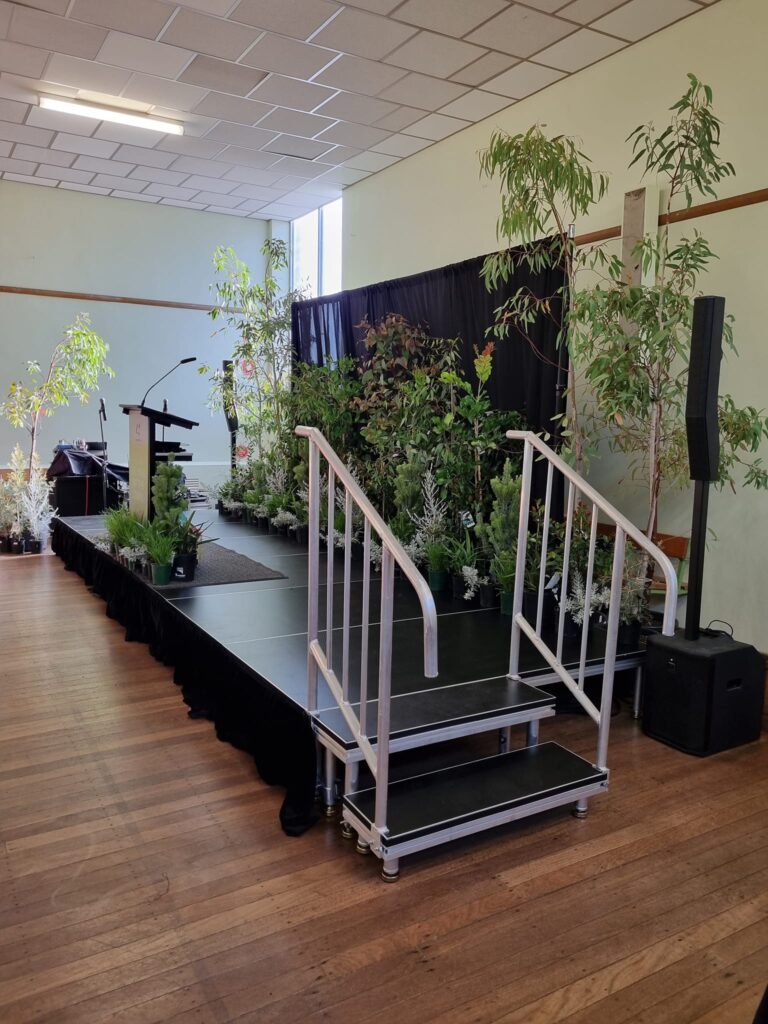
One of the biggest advantages of a portable stage and backdrop package is its versatility. Instead of hiring staging for every major event, schools can own a complete solution that is ready whenever required. The backdrop system features adjustable height and width, premium velvet curtains and a tool-free setup, allowing staff to assemble and pack away the system quickly with minimal training. Its compact design also makes storage simple between events.
Schools also appreciate the long-term value of purchasing a complete package. A portable stage can serve countless purposes throughout the year, including assemblies, drama productions, music performances, speech competitions, open days, graduation ceremonies, parent presentations and community events. Because the staging is modular, additional decks, guardrails, steps and accessories can easily be added as future requirements grow.
At Transtage, we understand that every school has different space, budget and performance requirements. That’s why we offer complete portable stage and backdrop packages in a range of sizes to suit schools of every scale. From compact platforms for classroom presentations to large stages for school productions, our team can recommend a solution tailored to your venue and event schedule. Combined with Australia-wide delivery, fast turnaround times and ongoing support, Transtage helps schools create professional events that leave a lasting impression on students, parents and the wider community.
More information is available at Transtage.
1300 712 066
[email protected]
transtage.com.au